
Politics
Minnesota’s Immigration Policy Sparks Controversy Amid Federal Talks

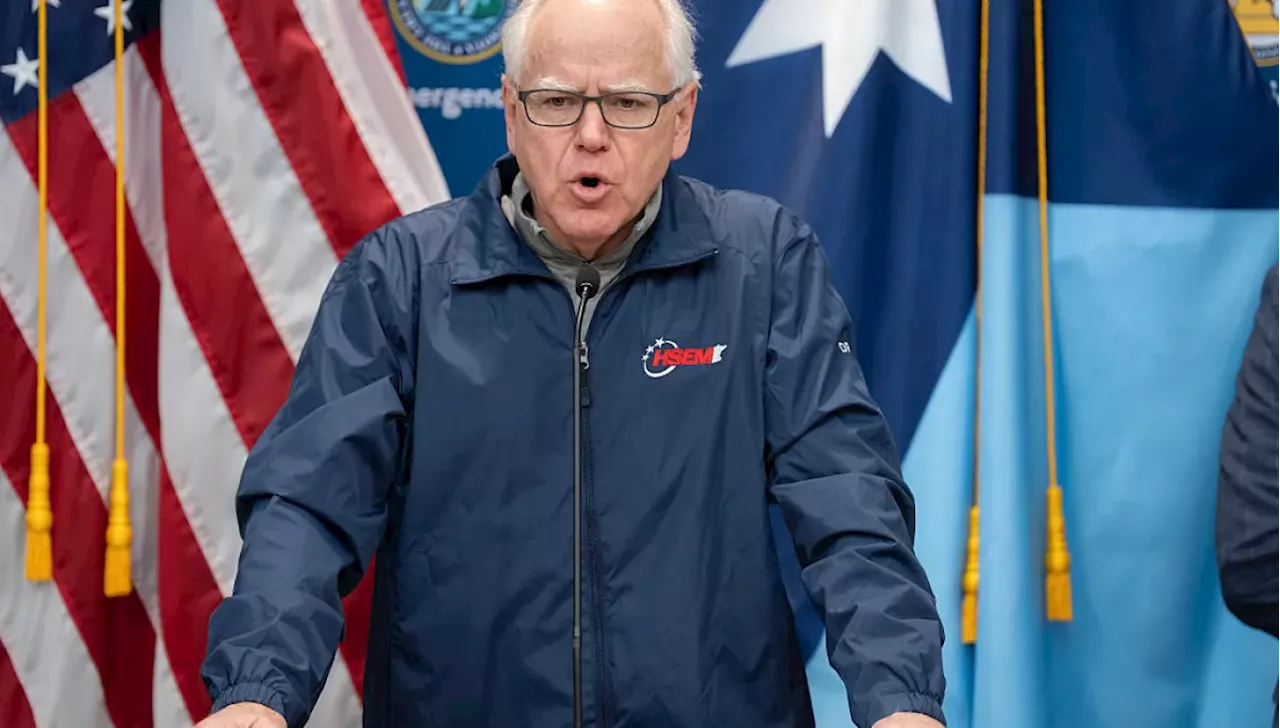
Minnesota Governor Tim Walz is facing criticism for his statements regarding the state’s cooperation with federal immigration law enforcement. Following a recent phone call with President Donald Trump, Walz described the conversation as “productive,” hinting at potential changes to how Minnesota interacts with federal immigration authorities. However, critics argue that Walz’s remarks downplay significant ongoing issues related to the state’s sanctuary policies.
During the call, Walz mentioned a possible reduction in federal agents assigned to Minnesota, as well as a vague commitment to working “in a more coordinated fashion on immigration enforcement regarding criminals.” While some may interpret this as a willingness to adjust the state’s sanctuary policies, many remain skeptical. Activists within Walz’s base often oppose any form of cooperation with the Trump administration, viewing it as a betrayal of their principles.
The governor stated that the Minnesota Department of Corrections already honors federal detainers by notifying Immigration and Customs Enforcement (ICE) when non-citizens in custody are eligible for release. “There is not a single documented case of the department’s releasing someone from state prison without offering to ensure a smooth transfer of custody,” Walz claimed. This assertion, however, has led to accusations of misleading rhetoric.
Critics emphasize that while state prisons may honor ICE detainers, many local jails do not. As a result, individuals who are in the country illegally and have committed crimes may be released back into communities without federal intervention. According to local law enforcement, ICE requires access to city and county jails to effectively carry out their mission of detaining criminal aliens.
The debate continues as Minneapolis Mayor Jacob Frey responded to the governor’s comments by asserting that accountability for violent criminals should be based on their actions, not their immigration status. This statement has drawn criticism, with opponents arguing that it effectively endorses illegal immigration while undermining public safety.
Public sentiment appears to support stricter measures regarding the removal of those in the country illegally, especially when they commit further crimes. Despite this, the current Democratic stance on immigration often seems to oppose such measures, raising concerns about the future of immigration policy in the state.
Observers argue that without genuine changes to Minnesota’s sanctuary policies, discussions of increased coordination between state and federal authorities remain superficial. Any perceived retreat by federal law enforcement could be interpreted as a capitulation, potentially encouraging similar tactics elsewhere.
Moving forward, Tom Homan, recently empowered as a federal border czar, is expected to engage with Minnesota’s leadership to explore collaborative solutions. His approach will be crucial in addressing the complications arising from the state’s immigration policies.
As the dialogue progresses, the effectiveness of any agreements will depend on meaningful cooperation from both state and federal levels. Local officials must recognize that accountability for those who commit crimes while undocumented is not only a legal obligation but also a matter of public safety and community trust.
In the coming weeks, the dynamics between state leadership and federal authorities will likely play a pivotal role in shaping Minnesota’s immigration landscape, with significant implications for both public policy and community relations.

Funko’s Price Target Increased to $4.00 as Analysts React

Humboldt Celebrates as ‘One Battle After Another’ Claims Best Picture

GSK Faces Backlash Over Asthma Inhaler Scrapping, Children Suffer

Adorable Sandhill Crane Colt Hugs Mom in The Villages

USA Unveils Star-Spangled Jerseys Ahead of March Friendlies

Newport Plans Colorful Lighting for Fourth Street Bridge

Sandia Scientists Honored for Innovative Career Journeys

Urgent: Charles M. Payment Passes Away at 78, Memorial Details Inside

NFL Free Agency: Key Moves and Player Signings in Week One

Researchers Launch $1.25M Project for Real-Time Hazard Monitoring in Hawaiʻi

Send It South Revives Culture and Community at The Momentary

UK Government Borrowing Hits £20.2 Billion in September Surge

Flipkart Republic Day Sale: iPhone 16 Plus Price Slashed by ₹23,900

Adecco SA Secures Mixed Ratings from Analysts Amid Earnings Update

Researchers Achieve Record 15.1 mA/cm² Hydrogen Production Efficiency

Globant Reveals Key Tech Forces Shaping Business in 2026

Dua Lipa Aces GCSE Spanish, Sparks Super Bowl Buzz with Fans

Inventor Achieves Breakthrough with 2 Billion FPS Laser Video
-
 Science8 months ago
Researchers Launch $1.25M Project for Real-Time Hazard Monitoring in Hawaiʻi
-
 Entertainment7 months ago
Send It South Revives Culture and Community at The Momentary
-
 World10 months ago
UK Government Borrowing Hits £20.2 Billion in September Surge
-
 Business6 months ago
Flipkart Republic Day Sale: iPhone 16 Plus Price Slashed by ₹23,900
-
 Sports8 months ago
Adecco SA Secures Mixed Ratings from Analysts Amid Earnings Update
-
 Top Stories5 months ago
Researchers Achieve Record 15.1 mA/cm² Hydrogen Production Efficiency
-
 Business8 months ago
Globant Reveals Key Tech Forces Shaping Business in 2026
-
 Entertainment10 months ago
Dua Lipa Aces GCSE Spanish, Sparks Super Bowl Buzz with Fans
-
 Science10 months ago
Inventor Achieves Breakthrough with 2 Billion FPS Laser Video
-

 Top Stories10 months ago
Charlie Sheen’s New Romance: ‘Glowing’ with Younger Partner
-
 Top Stories8 months ago
JSerra Names Hardy Nickerson as First Black Football Coach
-

 Health10 months ago
Community Unites for 7th Annual Into the Light Walk for Mental Health