
Politics
Republicans Shift Toward Interventionist Policies, Critics Warn

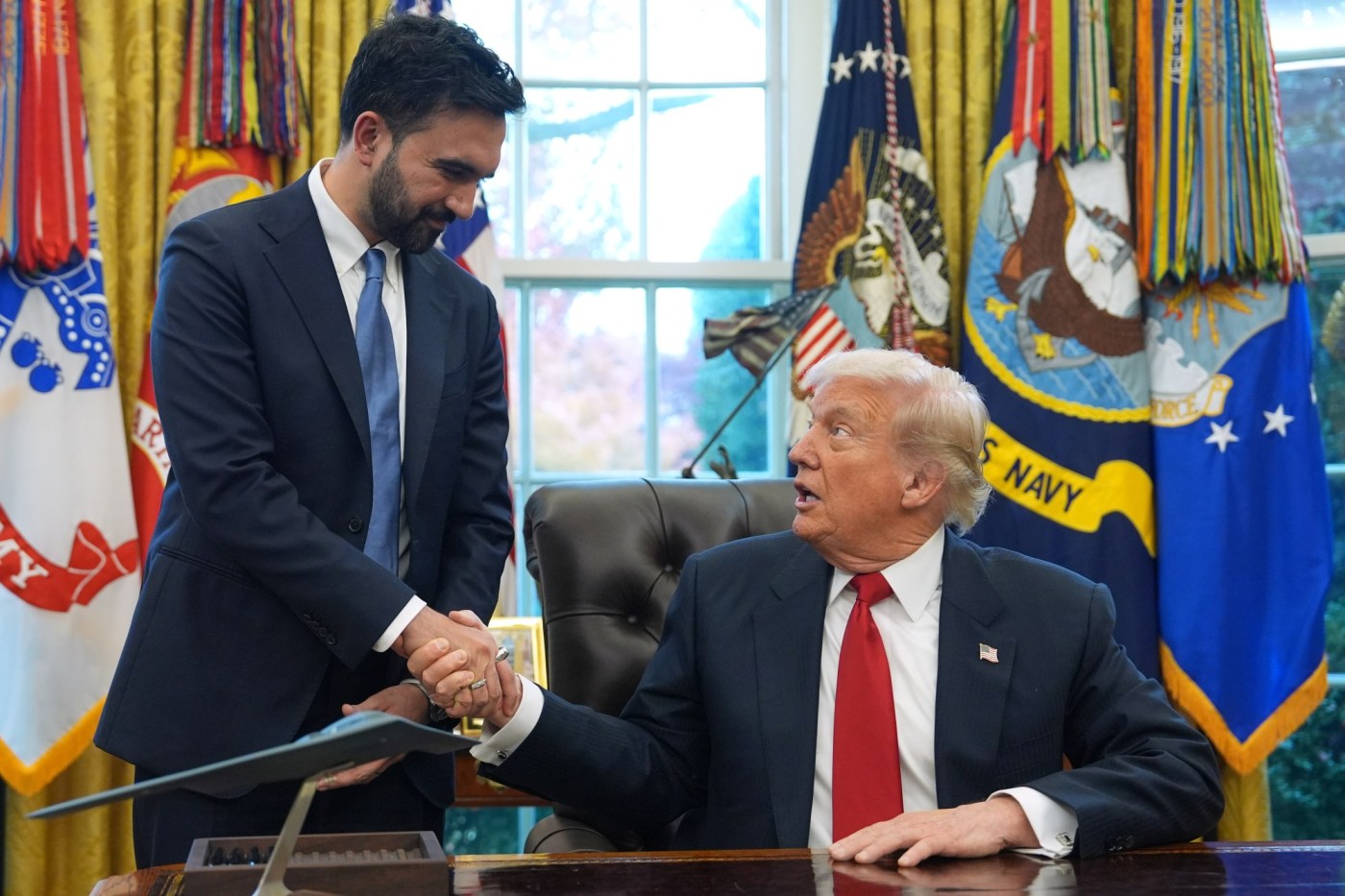
Former Republican Representative Justin Amash has raised alarms about the evolving landscape of American governance, suggesting that a “police state” is being constructed, particularly in light of recent developments in Minneapolis. He highlighted a growing concern that such a state may ultimately target conservative Christians, gun owners, and those opposed to certain public health measures. His comments were met with a mix of support and skepticism among current Republicans, many of whom remain focused on their opposition to Democratic policies.
In recent weeks, former President Donald Trump has rolled out a series of economic proposals that critics argue align closely with traditionally Democratic platforms. These initiatives are part of an affordability agenda aimed at addressing the ongoing inflation partly attributed to his previous tariffs. Among his proposals are a cap on credit card interest rates set at 10%, a plan to prevent large institutional investors from buying single-family homes, and increased federal involvement in private company operations.
Trump’s proposal to limit credit card interest rates has drawn particular scrutiny. He has reached out to Senator Elizabeth Warren, a prominent progressive Democrat, to discuss this initiative. Critics warn that such price controls could lead to unintended consequences, similar to those seen with rent control or gas price caps. The Cato Institute has noted that imposing a cap on interest rates may result in credit shortages, ultimately disadvantaging consumers with lower credit ratings who rely on credit cards for essential purchases.
Additionally, Trump has announced steps to ban corporate purchases of single-family homes, a move that aligns with ideas previously proposed by California Governor Gavin Newsom. While Trump has suggested a total ban, Newsom’s proposals are more limited. This intervention into the housing market is anticipated to disrupt local property dynamics without effectively addressing the affordability crisis.
The former president has also proposed significant federal involvement in mortgage issuance, directing government-sponsored entities like Fannie Mae and Freddie Mac to acquire $200 billion in mortgage bonds from the private sector. Critics argue that government control over mortgage terms has already hindered access to home loans for many potential buyers. The involvement of federal authorities in corporate governance raises concerns about crony capitalism, with critics asserting that it benefits a select few rather than the broader consumer base.
Trump’s economic agenda also includes stimulus-like measures, such as proposed $2,000 tariff-dividend checks for individuals and a substantial $12 billion bailout for farmers affected by tariffs. These types of financial interventions echo policies seen under President Joe Biden, generating debate among conservatives about the expanding role of government in economic matters.
The emergence of these interventionist policies has prompted some to draw parallels with a concept known in Catholic social teaching as the “seamless garment of life.” Originally referring to the dignity of human life, this metaphor is now being applied to describe the increasing embrace of expansive government by both major political parties in the United States. Critics argue that with this trend, civic life is likely to deteriorate, as both Republicans and Democrats appear increasingly hostile to the principles of limited government.
As the political landscape continues to evolve, the implications of Trump’s policies and the Republican Party’s shifting stance on government intervention remain to be seen. The conversation around these issues highlights a broader debate about the future direction of American governance and the role of government in the economy.

Funko’s Price Target Increased to $4.00 as Analysts React

Humboldt Celebrates as ‘One Battle After Another’ Claims Best Picture

GSK Faces Backlash Over Asthma Inhaler Scrapping, Children Suffer

Adorable Sandhill Crane Colt Hugs Mom in The Villages

USA Unveils Star-Spangled Jerseys Ahead of March Friendlies

Newport Plans Colorful Lighting for Fourth Street Bridge

Sandia Scientists Honored for Innovative Career Journeys

Urgent: Charles M. Payment Passes Away at 78, Memorial Details Inside

NFL Free Agency: Key Moves and Player Signings in Week One

Researchers Launch $1.25M Project for Real-Time Hazard Monitoring in Hawaiʻi

Send It South Revives Culture and Community at The Momentary

UK Government Borrowing Hits £20.2 Billion in September Surge

Flipkart Republic Day Sale: iPhone 16 Plus Price Slashed by ₹23,900

Adecco SA Secures Mixed Ratings from Analysts Amid Earnings Update

Researchers Achieve Record 15.1 mA/cm² Hydrogen Production Efficiency

Globant Reveals Key Tech Forces Shaping Business in 2026

Dua Lipa Aces GCSE Spanish, Sparks Super Bowl Buzz with Fans

Inventor Achieves Breakthrough with 2 Billion FPS Laser Video
-
 Science8 months ago
Researchers Launch $1.25M Project for Real-Time Hazard Monitoring in Hawaiʻi
-
 Entertainment7 months ago
Send It South Revives Culture and Community at The Momentary
-
 World10 months ago
UK Government Borrowing Hits £20.2 Billion in September Surge
-
 Business6 months ago
Flipkart Republic Day Sale: iPhone 16 Plus Price Slashed by ₹23,900
-
 Sports8 months ago
Adecco SA Secures Mixed Ratings from Analysts Amid Earnings Update
-
 Top Stories5 months ago
Researchers Achieve Record 15.1 mA/cm² Hydrogen Production Efficiency
-
 Business8 months ago
Globant Reveals Key Tech Forces Shaping Business in 2026
-
 Entertainment10 months ago
Dua Lipa Aces GCSE Spanish, Sparks Super Bowl Buzz with Fans
-
 Science10 months ago
Inventor Achieves Breakthrough with 2 Billion FPS Laser Video
-

 Top Stories10 months ago
Charlie Sheen’s New Romance: ‘Glowing’ with Younger Partner
-

 Top Stories8 months ago
JSerra Names Hardy Nickerson as First Black Football Coach
-

 Health10 months ago
Community Unites for 7th Annual Into the Light Walk for Mental Health