
Politics
Trump Declares Aim for Iran’s Unconditional Surrender

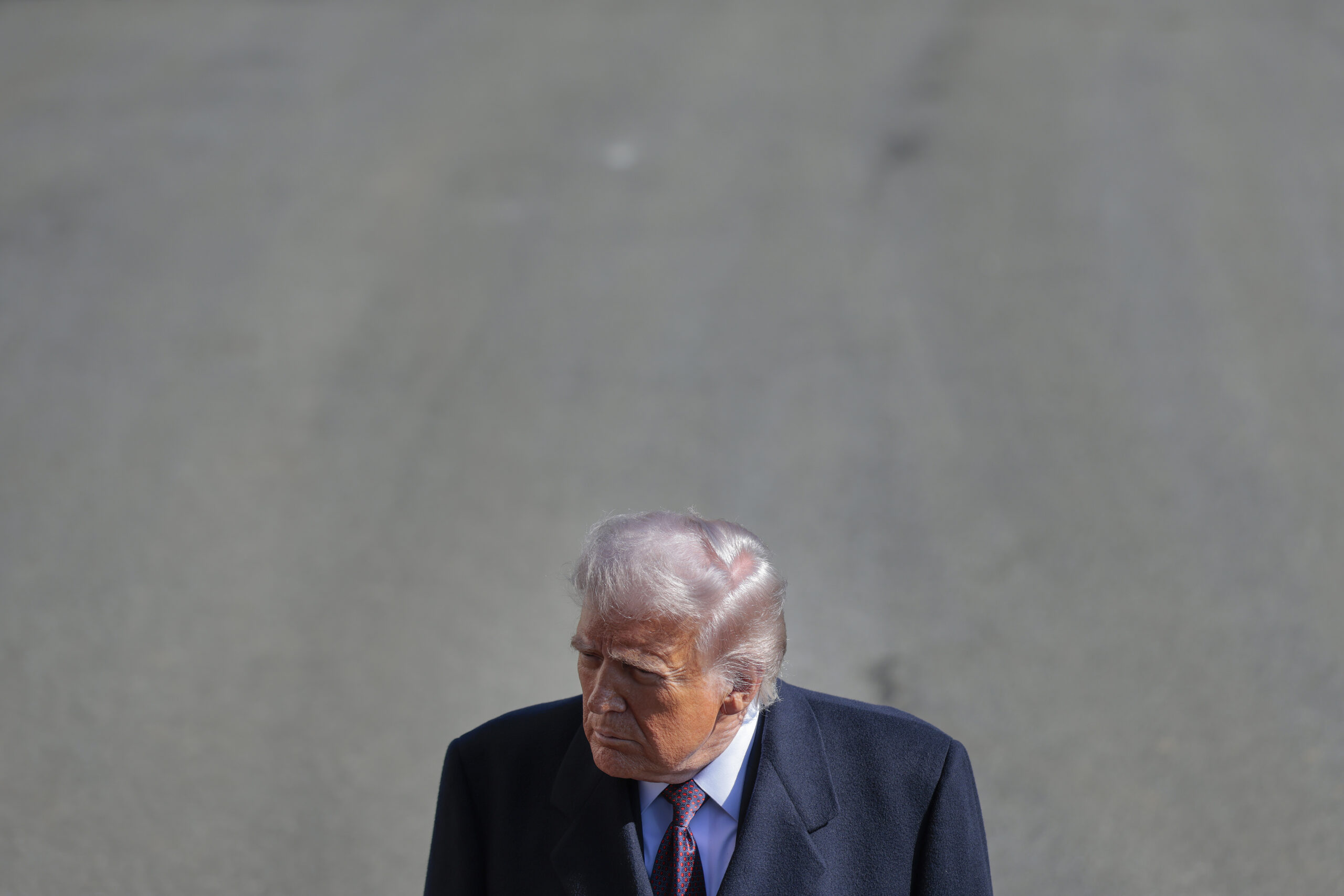
President Donald Trump has articulated a clear and uncompromising stance regarding Iran, stating that the United States seeks Iran’s “unconditional surrender.” This declaration comes after a series of conflicting statements from various administration officials, indicating a shift towards a more aggressive policy against Tehran.
In his recent remarks, Trump emphasized that the U.S. has no intention of offering Iran a diplomatic off-ramp, which is significant given the ongoing tensions in the region. This announcement signals a departure from previous negotiations aimed at easing sanctions and promoting dialogue. The president’s firm position reflects a broader strategy aimed at curtailing Iran’s influence in the Middle East.
Background of U.S.-Iran Relations
The relationship between the United States and Iran has been fraught with tension for decades. Following the U.S. withdrawal from the nuclear agreement in 2018, relations have further deteriorated. The imposition of sanctions has severely impacted Iran’s economy, yet the country has continued its nuclear program, leading to heightened concerns from Washington.
Trump’s recent statements come in the wake of increasing provocations from Iran, including missile tests and support for proxy groups in the region. The U.S. administration’s hardline approach indicates a determination to confront what it views as Iranian aggression.
Implications of Trump’s Stance
The implications of Trump’s declaration are significant, both for U.S. foreign policy and for the stability of the Middle East. Analysts suggest that this strategy may escalate military tensions, as Iran may perceive the U.S. stance as a direct threat. The lack of diplomatic engagement raises concerns about potential confrontations between U.S. and Iranian forces in the region.
Moreover, the president’s remarks could influence international relations, particularly with allies who may be seeking to mediate between the two nations. Key players in Europe, who had previously attempted to negotiate a resolution, may find it challenging to engage with a U.S. administration that is unwilling to compromise.
As the situation evolves, the international community will be closely monitoring the responses from Tehran. Iran’s leadership has historically reacted strongly to perceived threats, and any aggressive posturing from the U.S. could provoke retaliatory actions.
In summary, Trump’s declaration regarding Iran’s “unconditional surrender” marks a pivotal moment in U.S.-Iran relations, emphasizing a strategy focused on confrontation rather than diplomacy. The long-term consequences of this approach remain to be seen, but it undoubtedly shapes the geopolitical landscape in the region.

Funko’s Price Target Increased to $4.00 as Analysts React

Humboldt Celebrates as ‘One Battle After Another’ Claims Best Picture

GSK Faces Backlash Over Asthma Inhaler Scrapping, Children Suffer

Adorable Sandhill Crane Colt Hugs Mom in The Villages

USA Unveils Star-Spangled Jerseys Ahead of March Friendlies

Newport Plans Colorful Lighting for Fourth Street Bridge

Sandia Scientists Honored for Innovative Career Journeys

Urgent: Charles M. Payment Passes Away at 78, Memorial Details Inside

NFL Free Agency: Key Moves and Player Signings in Week One

Researchers Launch $1.25M Project for Real-Time Hazard Monitoring in Hawaiʻi

UK Government Borrowing Hits £20.2 Billion in September Surge

Flipkart Republic Day Sale: iPhone 16 Plus Price Slashed by ₹23,900

Send It South Revives Culture and Community at The Momentary

Inventor Achieves Breakthrough with 2 Billion FPS Laser Video

Dua Lipa Aces GCSE Spanish, Sparks Super Bowl Buzz with Fans

Charlie Sheen’s New Romance: ‘Glowing’ with Younger Partner

Community Unites for 7th Annual Into the Light Walk for Mental Health

Mother Fights to Reunite with Children After Kidnapping in New Drama
-
 Science4 months ago
Researchers Launch $1.25M Project for Real-Time Hazard Monitoring in Hawaiʻi
-
 World6 months ago
UK Government Borrowing Hits £20.2 Billion in September Surge
-
 Business3 months ago
Flipkart Republic Day Sale: iPhone 16 Plus Price Slashed by ₹23,900
-
 Entertainment4 months ago
Send It South Revives Culture and Community at The Momentary
-
 Science6 months ago
Inventor Achieves Breakthrough with 2 Billion FPS Laser Video
-
 Entertainment6 months ago
Dua Lipa Aces GCSE Spanish, Sparks Super Bowl Buzz with Fans
-
 Top Stories6 months ago
Charlie Sheen’s New Romance: ‘Glowing’ with Younger Partner
-
 Health6 months ago
Community Unites for 7th Annual Into the Light Walk for Mental Health
-
 Entertainment6 months ago
Mother Fights to Reunite with Children After Kidnapping in New Drama
-

 Entertainment6 months ago
Olivia Plath Opens Up About Her Marriage Struggles and Divorce
-

 Top Stories5 months ago
T-Mobile Faces Backlash Over New Late Fees, Customers Flee
-

 Science6 months ago
AI Gun Detection System Mistakes Doritos for Weapon, Sparks Outrage