
Politics
U.S. Adjusts Strategy on Venezuela After Maduro’s Ouster

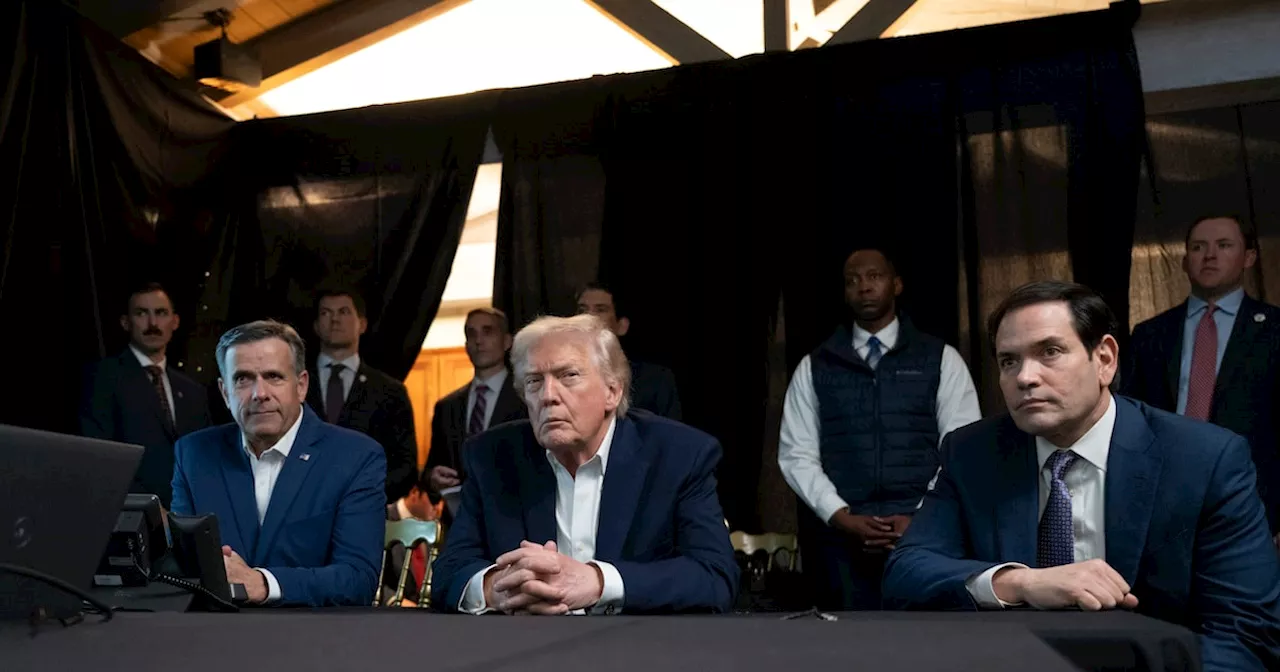
Secretary of State Marco Rubio clarified on January 3, 2026, that the United States will not engage in day-to-day governance of Venezuela, following the ousting of President Nicolás Maduro. Instead, the U.S. will focus on enforcing an existing “oil quarantine” aimed at leveraging policy changes within the country. This announcement contrasts sharply with President Donald Trump‘s earlier remarks suggesting that the U.S. would “run” Venezuela temporarily.
Rubio’s comments came during an appearance on CBS’s “Face the Nation,” where he sought to alleviate concerns regarding potential prolonged American intervention or nation-building efforts in Venezuela. He emphasized that the U.S. would maintain its oil quarantine on sanctioned tankers, a strategy initiated before Maduro’s removal. “That’s the sort of control the president is pointing to when he says that,” Rubio explained, highlighting the intent to enact changes in Venezuela’s oil industry that would benefit its citizens and combat drug trafficking.
The blockade on sanctioned oil tankers, some of which have been seized by the U.S., is designed to provide leverage until meaningful changes are observed in Venezuela. “This is a tremendous amount of leverage that will continue to be in place until we see changes that further the national interest of the United States, and also lead to a better future for the people of Venezuela,” he added.
Trump’s declaration that the U.S. would oversee the country raised eyebrows among some members of Congress, including those within Trump’s own party who oppose foreign interventions. Many observers recalled the challenges faced in previous military engagements in the Middle East, particularly in Iraq and Afghanistan. Rubio responded to this criticism, stating, “The whole foreign policy apparatus thinks everything is Libya, everything is Iraq, everything is Afghanistan. This is not the Middle East. Our mission here is very different. This is the Western Hemisphere.”
Rubio indicated that the U.S. would allow Maduro’s former officials, now in control, time to govern. He stated, “We’re going to judge everything by what they do, and we’re going to see what they do.” While he did not dismiss the possibility of a U.S. military presence in Venezuela, he asserted that current U.S. military capabilities were sufficient to monitor drug boats and sanctioned tankers.
Maduro’s removal was part of a broader strategy by the Trump administration, which had spent months increasing military presence in the region and targeting vessels involved in drug trafficking. The operation that led to Maduro’s capture was executed without congressional approval, raising legal questions among experts. Following his capture, Maduro was transported to a U.S. Drug Enforcement Administration (DEA) office, where he was met with law enforcement personnel.
In the wake of the operation, Delcy Rodríguez, Venezuela’s vice president, condemned the U.S. actions, declaring Maduro the rightful leader and demanding his release. The Venezuelan government’s high court had named Rodríguez as interim president amidst the upheaval.
As the situation unfolds, Caracas experienced an unusual calm, with many businesses closed and a notable decrease in street activity. The presidential palace was heavily guarded, reflecting the tension in a city grappling with the aftermath of a significant political shift. Local resident David Leal noted the lack of clients at his vehicle parking lot, underscoring the impact of the ongoing political crisis on the daily lives of Venezuelans.
The U.S. government’s stance remains firm in its refusal to recognize Maduro as the legitimate leader of Venezuela. The Justice Department has previously indicted Maduro and other Venezuelan officials on charges related to drug trafficking, framing the Maduro administration as “a corrupt, illegitimate government.”
As international observers watch closely, the future of Venezuela remains uncertain, with significant implications for its citizens and regional stability. The U.S. action marks a pivotal moment that could shape the geopolitical landscape in Latin America for years to come.

Funko’s Price Target Increased to $4.00 as Analysts React

Humboldt Celebrates as ‘One Battle After Another’ Claims Best Picture

GSK Faces Backlash Over Asthma Inhaler Scrapping, Children Suffer

Adorable Sandhill Crane Colt Hugs Mom in The Villages

USA Unveils Star-Spangled Jerseys Ahead of March Friendlies

Newport Plans Colorful Lighting for Fourth Street Bridge

Sandia Scientists Honored for Innovative Career Journeys

Urgent: Charles M. Payment Passes Away at 78, Memorial Details Inside

NFL Free Agency: Key Moves and Player Signings in Week One

Researchers Launch $1.25M Project for Real-Time Hazard Monitoring in Hawaiʻi

Send It South Revives Culture and Community at The Momentary

UK Government Borrowing Hits £20.2 Billion in September Surge

Flipkart Republic Day Sale: iPhone 16 Plus Price Slashed by ₹23,900

Adecco SA Secures Mixed Ratings from Analysts Amid Earnings Update

Researchers Achieve Record 15.1 mA/cm² Hydrogen Production Efficiency

Globant Reveals Key Tech Forces Shaping Business in 2026

Dua Lipa Aces GCSE Spanish, Sparks Super Bowl Buzz with Fans

Inventor Achieves Breakthrough with 2 Billion FPS Laser Video
-
 Science8 months ago
Researchers Launch $1.25M Project for Real-Time Hazard Monitoring in Hawaiʻi
-
 Entertainment7 months ago
Send It South Revives Culture and Community at The Momentary
-
 World10 months ago
UK Government Borrowing Hits £20.2 Billion in September Surge
-
 Business6 months ago
Flipkart Republic Day Sale: iPhone 16 Plus Price Slashed by ₹23,900
-
 Sports8 months ago
Adecco SA Secures Mixed Ratings from Analysts Amid Earnings Update
-
 Top Stories5 months ago
Researchers Achieve Record 15.1 mA/cm² Hydrogen Production Efficiency
-
 Business8 months ago
Globant Reveals Key Tech Forces Shaping Business in 2026
-
 Entertainment10 months ago
Dua Lipa Aces GCSE Spanish, Sparks Super Bowl Buzz with Fans
-
 Science10 months ago
Inventor Achieves Breakthrough with 2 Billion FPS Laser Video
-

 Top Stories10 months ago
Charlie Sheen’s New Romance: ‘Glowing’ with Younger Partner
-

 Top Stories8 months ago
JSerra Names Hardy Nickerson as First Black Football Coach
-

 Health10 months ago
Community Unites for 7th Annual Into the Light Walk for Mental Health