
Politics
Virginia’s Public Universities Urged to Establish Legal Counsel

Public universities in Virginia are facing increasing pressures from the federal government, prompting calls for them to establish their own legal counsel. Since taking office, the Trump administration has issued a series of executive orders targeting higher education institutions, threatening to withdraw federal funding unless significant changes are made to essential operations, including admissions and faculty hiring.
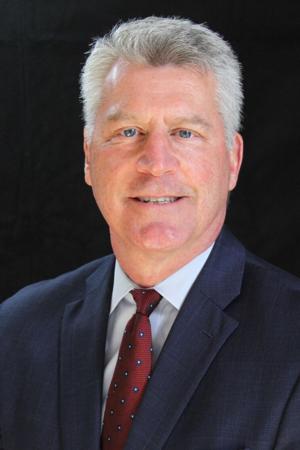
Timothy J. Heaphy, a partner at Heaphy, Smith, Harbach & Windom in Washington, D.C., emphasizes the importance of this issue for Virginia’s universities. He served as university counsel at the University of Virginia from 2018 to 2022 and argues that having dedicated legal teams could help institutions navigate the complex landscape of federal regulations and potential legal challenges.
The Trump administration’s stance represents a broader critique of higher education, accusing many institutions of failing to uphold standards that align with government expectations. Jay Jones, Virginia’s Attorney General, has also been vocal about the need for universities to bolster their legal resources in light of these heightened scrutiny and legal threats.
During a joint assembly of the state Senate and House of Delegates on January 19, 2026, Governor Abigail Spanberger addressed the assembly, highlighting the significance of autonomy for public universities. She emphasized that universities should be equipped to defend their interests against external pressures, particularly when it comes to maintaining their missions and values.
The calls for legal counsel come amid fears that universities may feel compelled to alter their policies to comply with federal demands, potentially undermining their academic integrity. By establishing their own legal departments, institutions can advocate more effectively for their interests while ensuring compliance with federal regulations.
As federal policies continue to evolve, Virginia’s public universities face a challenging landscape. Establishing internal legal counsel may serve as a proactive measure to safeguard their operations and protect their rights. The implications of these developments could shape the future of higher education not only in Virginia but across the United States.
The conversation surrounding the necessity of legal representation for universities highlights the intricate relationship between education and government oversight. By prioritizing legal preparedness, Virginia’s public universities can better position themselves to navigate the complexities of federal funding and regulatory compliance.

Funko’s Price Target Increased to $4.00 as Analysts React

Humboldt Celebrates as ‘One Battle After Another’ Claims Best Picture

GSK Faces Backlash Over Asthma Inhaler Scrapping, Children Suffer

Adorable Sandhill Crane Colt Hugs Mom in The Villages

USA Unveils Star-Spangled Jerseys Ahead of March Friendlies

Newport Plans Colorful Lighting for Fourth Street Bridge

Sandia Scientists Honored for Innovative Career Journeys

Urgent: Charles M. Payment Passes Away at 78, Memorial Details Inside

NFL Free Agency: Key Moves and Player Signings in Week One

Researchers Launch $1.25M Project for Real-Time Hazard Monitoring in Hawaiʻi

Send It South Revives Culture and Community at The Momentary

UK Government Borrowing Hits £20.2 Billion in September Surge

Flipkart Republic Day Sale: iPhone 16 Plus Price Slashed by ₹23,900

Adecco SA Secures Mixed Ratings from Analysts Amid Earnings Update

Researchers Achieve Record 15.1 mA/cm² Hydrogen Production Efficiency

Globant Reveals Key Tech Forces Shaping Business in 2026

Inventor Achieves Breakthrough with 2 Billion FPS Laser Video

Dua Lipa Aces GCSE Spanish, Sparks Super Bowl Buzz with Fans
-
 Science8 months ago
Researchers Launch $1.25M Project for Real-Time Hazard Monitoring in Hawaiʻi
-
 Entertainment7 months ago
Send It South Revives Culture and Community at The Momentary
-
 World9 months ago
UK Government Borrowing Hits £20.2 Billion in September Surge
-
 Business6 months ago
Flipkart Republic Day Sale: iPhone 16 Plus Price Slashed by ₹23,900
-
 Sports8 months ago
Adecco SA Secures Mixed Ratings from Analysts Amid Earnings Update
-
 Top Stories5 months ago
Researchers Achieve Record 15.1 mA/cm² Hydrogen Production Efficiency
-
 Business8 months ago
Globant Reveals Key Tech Forces Shaping Business in 2026
-
 Science10 months ago
Inventor Achieves Breakthrough with 2 Billion FPS Laser Video
-
 Entertainment10 months ago
Dua Lipa Aces GCSE Spanish, Sparks Super Bowl Buzz with Fans
-

 Top Stories10 months ago
Charlie Sheen’s New Romance: ‘Glowing’ with Younger Partner
-

 Top Stories8 months ago
JSerra Names Hardy Nickerson as First Black Football Coach
-

 Health10 months ago
Community Unites for 7th Annual Into the Light Walk for Mental Health