
Science
Lawmakers Halve Funding in Healey’s $400 Million University Bill

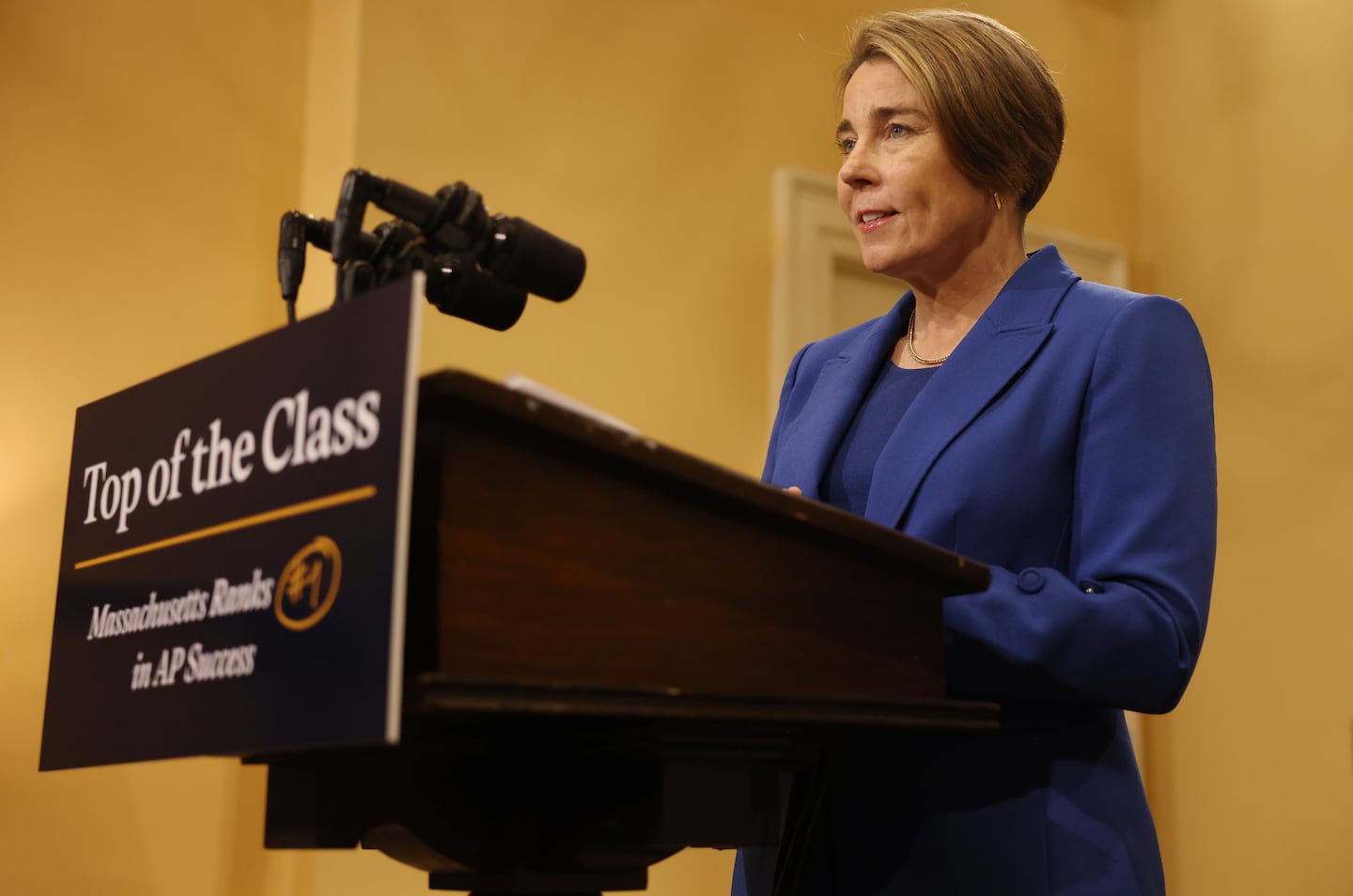
Governor Maura Healey’s ambitious DRIVE bill, intended to bolster the state’s research universities, has encountered significant cuts as lawmakers reduce the proposed funding from $400 million to $200 million. This decision comes amid ongoing discussions within the Massachusetts Legislature’s economic development committee, co-chaired by Representative Carole Fiola and Senator Barry Finegold.
Polling among committee members began on Thursday and is set to conclude on Monday. Typically, it is uncommon for the majority of committee members to oppose their co-chairs, suggesting that the revised proposal is likely to gain traction. The DRIVE bill, formally known as the “Discovery, Research & Innovation in a Vibrant Economy” initiative, was first introduced last summer to shield local universities from federal cuts in research funding.
Under the original proposal, half of the funding was designated for private universities and nonprofit institutions. However, state legislators have opted to prioritize funding for UMass Chan Medical School and other public universities exclusively. The revised $200 million allocation is set to be sourced from interest accrued on the state’s rainy day fund.
Initially, Healey had suggested an allocation of $200 million from the so-called millionaires tax for public universities, alongside an equal amount derived from rainy-day fund interest for private institutions. The decision to redirect private funding to support public universities reflects the current fiscal realities facing the state.
In a joint statement, Fiola and Finegold characterized the $200 million investment as a “short-term stop gap measure” aimed at safeguarding vital research at UMass Chan. This research includes critical studies related to diabetes, ALS, and Alzheimer’s disease. They emphasized the need for the committee to explore additional support mechanisms for private universities in the future.
The committee’s adjustments to the original proposal highlight the ongoing challenges state lawmakers face in balancing budgetary constraints with the need for robust funding in higher education. The focus on public institutions underscores a growing trend to prioritize state-funded education amid broader fiscal pressures.
As discussions continue, the outcome of this legislative session could have lasting implications for the state’s research landscape and its ability to attract and retain talent in crucial fields. For further inquiries, Jon Chesto can be contacted at [email protected]. Follow him on Twitter @jonchesto.

Funko’s Price Target Increased to $4.00 as Analysts React

Humboldt Celebrates as ‘One Battle After Another’ Claims Best Picture

GSK Faces Backlash Over Asthma Inhaler Scrapping, Children Suffer

Adorable Sandhill Crane Colt Hugs Mom in The Villages

USA Unveils Star-Spangled Jerseys Ahead of March Friendlies

Newport Plans Colorful Lighting for Fourth Street Bridge

Sandia Scientists Honored for Innovative Career Journeys

Urgent: Charles M. Payment Passes Away at 78, Memorial Details Inside

NFL Free Agency: Key Moves and Player Signings in Week One

Researchers Launch $1.25M Project for Real-Time Hazard Monitoring in Hawaiʻi

Send It South Revives Culture and Community at The Momentary

UK Government Borrowing Hits £20.2 Billion in September Surge

Flipkart Republic Day Sale: iPhone 16 Plus Price Slashed by ₹23,900

Adecco SA Secures Mixed Ratings from Analysts Amid Earnings Update

Researchers Achieve Record 15.1 mA/cm² Hydrogen Production Efficiency

Globant Reveals Key Tech Forces Shaping Business in 2026

Inventor Achieves Breakthrough with 2 Billion FPS Laser Video

Dua Lipa Aces GCSE Spanish, Sparks Super Bowl Buzz with Fans
-
 Science8 months ago
Researchers Launch $1.25M Project for Real-Time Hazard Monitoring in Hawaiʻi
-
 Entertainment7 months ago
Send It South Revives Culture and Community at The Momentary
-
 World9 months ago
UK Government Borrowing Hits £20.2 Billion in September Surge
-
 Business6 months ago
Flipkart Republic Day Sale: iPhone 16 Plus Price Slashed by ₹23,900
-
 Sports7 months ago
Adecco SA Secures Mixed Ratings from Analysts Amid Earnings Update
-
 Top Stories5 months ago
Researchers Achieve Record 15.1 mA/cm² Hydrogen Production Efficiency
-
 Business8 months ago
Globant Reveals Key Tech Forces Shaping Business in 2026
-
 Science9 months ago
Inventor Achieves Breakthrough with 2 Billion FPS Laser Video
-
 Entertainment10 months ago
Dua Lipa Aces GCSE Spanish, Sparks Super Bowl Buzz with Fans
-

 Top Stories10 months ago
Charlie Sheen’s New Romance: ‘Glowing’ with Younger Partner
-

 Health10 months ago
Community Unites for 7th Annual Into the Light Walk for Mental Health
-

 Top Stories7 months ago
JSerra Names Hardy Nickerson as First Black Football Coach