
Science
Surgeons Reassess AI Tools Amid Patient Injury Concerns

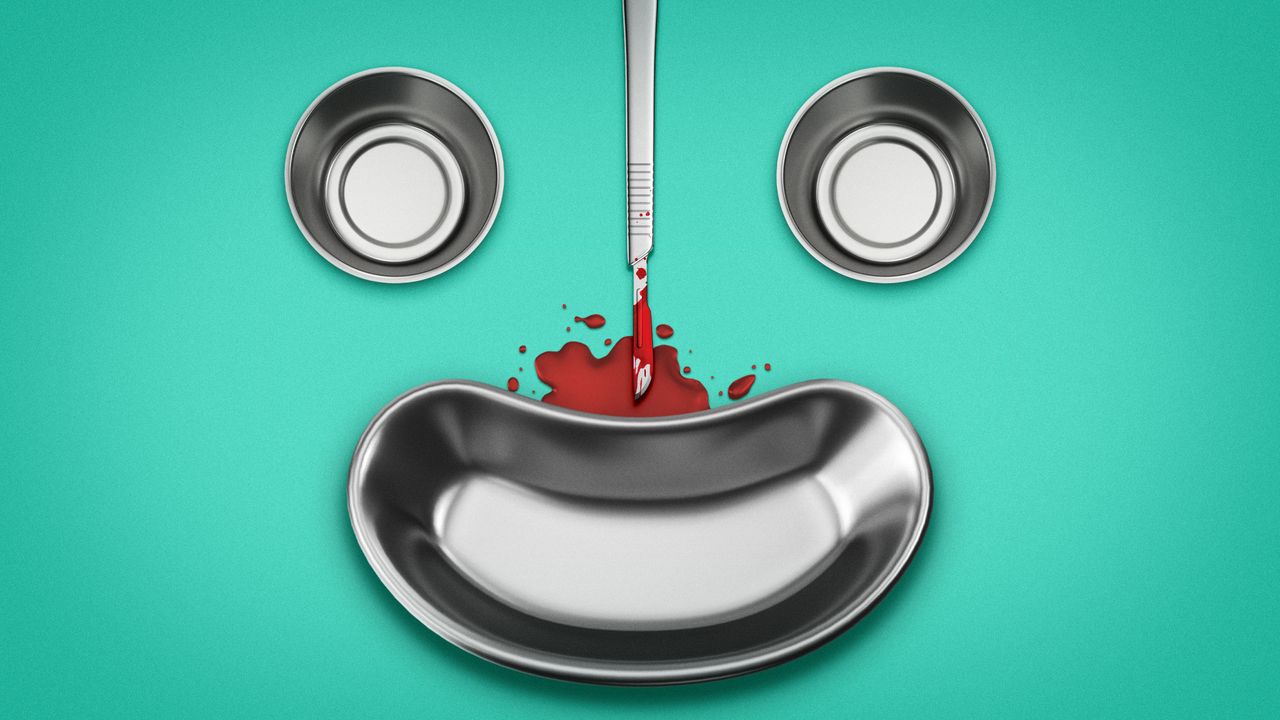
The increasing integration of AI-powered surgical tools in operating rooms has raised significant concerns regarding patient safety. Recent investigations and lawsuits have prompted a reassessment among medical professionals about the role of these technologies during surgeries. While these devices are designed to assist human surgeons, reports indicate that some AI tools may be linked to serious patient injuries.
According to a Reuters investigation, over 1,357 AI-integrated medical devices are currently authorized by the FDA, a number that has doubled since 2022. One of the most prominent examples is the TruDi Navigation System, developed by Johnson & Johnson. This device utilizes a machine-learning algorithm to assist ear, nose, and throat specialists during operations. Other AI-assisted tools are employed for various surgical procedures, primarily focusing on enhancing vision capabilities.
Traditional laparoscopic surgery presents numerous challenges, including smoke that obscures the surgical field and two-dimensional imaging that complicates depth perception. AI surgical tools aim to tackle these issues by providing surgeons with clearer views of the operative area. Nevertheless, a surge in allegations and lawsuits suggests that some of these tools may have actively harmed patients.
Reports indicate that the FDA has received unconfirmed notifications of at least 100 malfunctions and adverse events related to the TruDi device. Allegations include incidents where the AI misinformed surgeons about the location of their instruments during procedures, leading to significant complications. For example, one case involved cerebrospinal fluid leaking from a patient’s nose, while another instance resulted in a surgeon mistakenly puncturing the base of a patient’s skull.
In two additional cases, patients reportedly suffered strokes after major arteries were inadvertently injured. In one such case, the TruDi’s AI allegedly misled the surgeon, resulting in injury to a carotid artery, which caused a blood clot and ultimately a stroke.
While the FDA reports on device malfunctions are not designed to establish the causes of medical errors, the implications for patient safety are troubling. Furthermore, the TruDi is not the only AI-assisted medical device facing scrutiny. The Sonio Detect, which analyzes prenatal images, has been accused of using a faulty algorithm that misidentifies fetal structures. Similarly, Medtronic has come under fire for its AI-assisted heart monitors, which allegedly failed to recognize abnormal rhythms or pauses in patients.
A comprehensive study published in the JAMA Health Forum highlights that at least 60 AI-assisted medical devices have been associated with 182 product recalls by the FDA. Alarmingly, around 43% of these recalls occurred within the first twelve months of the device’s FDA approval. This statistic raises concerns about the effectiveness of the FDA’s approval process, suggesting it may overlook early performance failures of AI technologies.
Despite these challenges, there is potential for improvement. Enhancing premarket clinical testing requirements and postmarket surveillance measures could significantly improve the identification and reduction of device errors. As the medical community navigates the complexities of integrating AI into surgical practice, ensuring patient safety remains paramount.

Funko’s Price Target Increased to $4.00 as Analysts React

Humboldt Celebrates as ‘One Battle After Another’ Claims Best Picture

GSK Faces Backlash Over Asthma Inhaler Scrapping, Children Suffer

Adorable Sandhill Crane Colt Hugs Mom in The Villages

USA Unveils Star-Spangled Jerseys Ahead of March Friendlies

Newport Plans Colorful Lighting for Fourth Street Bridge

Sandia Scientists Honored for Innovative Career Journeys

Urgent: Charles M. Payment Passes Away at 78, Memorial Details Inside

NFL Free Agency: Key Moves and Player Signings in Week One

Researchers Launch $1.25M Project for Real-Time Hazard Monitoring in Hawaiʻi

Send It South Revives Culture and Community at The Momentary

UK Government Borrowing Hits £20.2 Billion in September Surge

Flipkart Republic Day Sale: iPhone 16 Plus Price Slashed by ₹23,900

Adecco SA Secures Mixed Ratings from Analysts Amid Earnings Update

Researchers Achieve Record 15.1 mA/cm² Hydrogen Production Efficiency

Globant Reveals Key Tech Forces Shaping Business in 2026

Inventor Achieves Breakthrough with 2 Billion FPS Laser Video

Dua Lipa Aces GCSE Spanish, Sparks Super Bowl Buzz with Fans
-
 Science8 months ago
Researchers Launch $1.25M Project for Real-Time Hazard Monitoring in Hawaiʻi
-
 Entertainment7 months ago
Send It South Revives Culture and Community at The Momentary
-
 World9 months ago
UK Government Borrowing Hits £20.2 Billion in September Surge
-
 Business6 months ago
Flipkart Republic Day Sale: iPhone 16 Plus Price Slashed by ₹23,900
-
 Sports7 months ago
Adecco SA Secures Mixed Ratings from Analysts Amid Earnings Update
-
 Top Stories5 months ago
Researchers Achieve Record 15.1 mA/cm² Hydrogen Production Efficiency
-
 Business8 months ago
Globant Reveals Key Tech Forces Shaping Business in 2026
-
 Science9 months ago
Inventor Achieves Breakthrough with 2 Billion FPS Laser Video
-
 Entertainment10 months ago
Dua Lipa Aces GCSE Spanish, Sparks Super Bowl Buzz with Fans
-

 Top Stories10 months ago
Charlie Sheen’s New Romance: ‘Glowing’ with Younger Partner
-

 Top Stories7 months ago
JSerra Names Hardy Nickerson as First Black Football Coach
-

 Health10 months ago
Community Unites for 7th Annual Into the Light Walk for Mental Health