
Sports
MTA to Launch 75-Decibel Audio Ad Pilot in Subway Stations

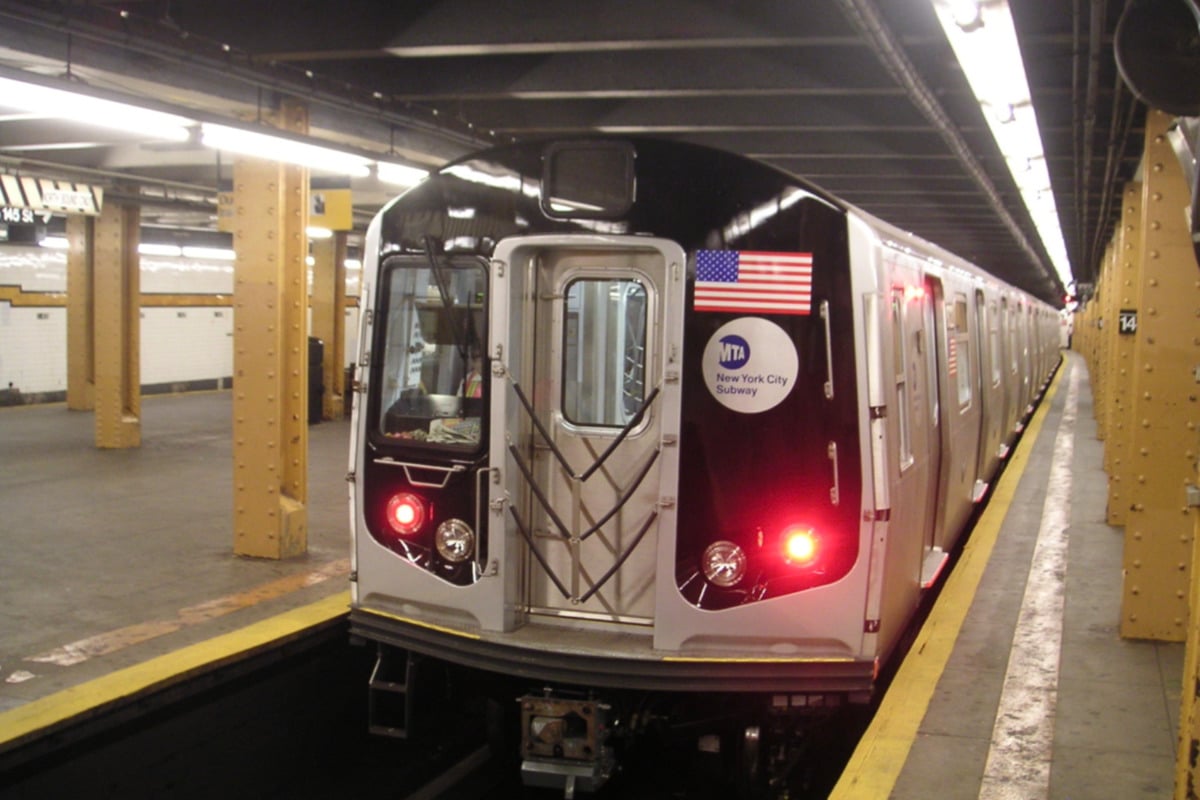
The Metropolitan Transportation Authority (MTA) is set to introduce a pilot program in June 2024 that will feature 30-second audio advertisements in select subway and commuter rail stations. The initiative aims to generate additional revenue with ads played at a maximum volume of 75 decibels. However, many riders and advocacy groups have expressed concerns about the potential for these ads to disrupt the commuting experience.
According to a memo obtained by the New York Post, the audio ads will be broadcast as frequently as once every ten minutes at designated locations. The MTA specified that the advertisements will be limited to categories related to media, entertainment, and sports. Furthermore, the agency has implemented guidelines to prevent audio that mimics alarms, emergency announcements, or official MTA messages.
While 75 decibels might be compared to the sound of a busy city street, the acoustics of subway stations could amplify this noise, raising fears among commuters. Many riders are apprehensive that what appears modest on paper could become intrusive during peak travel times, especially in crowded environments filled with existing noise.
The motivation behind this audio advertising initiative is primarily financial. MTA officials project that advertising revenue could reach $175,000,000 by 2025, while the authority’s anticipated operating costs for 2026 are approximately $21,000,000,000. MTA planners believe that by capping the volume and restricting ad categories, they can effectively test this format in a limited manner without overwhelming the entire transit system.
Concerns and Criticism from Riders
The proposal has sparked significant backlash, particularly during a recent MTA board meeting. A critic attended the session holding a copy of Ray Bradbury’s Fahrenheit 451 as a protest against the audio ad plan, drawing parallels between this initiative and a perceived erosion of public space in favor of commercial interests. Advocacy groups have voiced concerns that the plan could infringe on public speech and saturate civic areas with paid messages.
Past experiences have heightened these concerns. A previous advertisement measured 99 decibels, leading critics to question whether the written sound limit would effectively control intrusive noise. One board member remarked that “audio advertising would degrade the passenger’s experience to raise revenue a small fraction of a percent.”
MTA’s Response and Next Steps
After the board meeting, MTA Chair Janno Lieber stated that he was unaware of the audio ad initiative prior to the discussion. The MTA plans to incorporate questions about audio advertisements into rider surveys and undertake direct outreach to assess public reaction before considering any expansion of the program.
The pilot is scheduled to begin in June 2024, with the initial rollout confined to select stations and primarily focusing on entertainment and sports advertisements. Transit observers emphasize that the true test will lie in how the MTA measures and enforces the sound levels on platforms. The response from riders will also be crucial in determining whether the added noise is justified by the potential revenue.
As the MTA moves forward with this initiative, the debate over the appropriate level of advertising within New York’s transit system is likely to shift from boardrooms to the streets and stations, engaging both commuters and lawmakers alike.

Funko’s Price Target Increased to $4.00 as Analysts React

Humboldt Celebrates as ‘One Battle After Another’ Claims Best Picture

GSK Faces Backlash Over Asthma Inhaler Scrapping, Children Suffer

Adorable Sandhill Crane Colt Hugs Mom in The Villages

USA Unveils Star-Spangled Jerseys Ahead of March Friendlies

Newport Plans Colorful Lighting for Fourth Street Bridge

Sandia Scientists Honored for Innovative Career Journeys

Urgent: Charles M. Payment Passes Away at 78, Memorial Details Inside

NFL Free Agency: Key Moves and Player Signings in Week One

Researchers Launch $1.25M Project for Real-Time Hazard Monitoring in Hawaiʻi

Send It South Revives Culture and Community at The Momentary

UK Government Borrowing Hits £20.2 Billion in September Surge

Flipkart Republic Day Sale: iPhone 16 Plus Price Slashed by ₹23,900

Adecco SA Secures Mixed Ratings from Analysts Amid Earnings Update

Globant Reveals Key Tech Forces Shaping Business in 2026

Researchers Achieve Record 15.1 mA/cm² Hydrogen Production Efficiency

Dua Lipa Aces GCSE Spanish, Sparks Super Bowl Buzz with Fans

Inventor Achieves Breakthrough with 2 Billion FPS Laser Video
-
 Science8 months ago
Researchers Launch $1.25M Project for Real-Time Hazard Monitoring in Hawaiʻi
-
 Entertainment7 months ago
Send It South Revives Culture and Community at The Momentary
-
 World10 months ago
UK Government Borrowing Hits £20.2 Billion in September Surge
-
 Business6 months ago
Flipkart Republic Day Sale: iPhone 16 Plus Price Slashed by ₹23,900
-
 Sports8 months ago
Adecco SA Secures Mixed Ratings from Analysts Amid Earnings Update
-
 Business8 months ago
Globant Reveals Key Tech Forces Shaping Business in 2026
-
 Top Stories5 months ago
Researchers Achieve Record 15.1 mA/cm² Hydrogen Production Efficiency
-
 Entertainment10 months ago
Dua Lipa Aces GCSE Spanish, Sparks Super Bowl Buzz with Fans
-
 Science10 months ago
Inventor Achieves Breakthrough with 2 Billion FPS Laser Video
-

 Top Stories10 months ago
Charlie Sheen’s New Romance: ‘Glowing’ with Younger Partner
-

 Top Stories8 months ago
JSerra Names Hardy Nickerson as First Black Football Coach
-

 Health10 months ago
Community Unites for 7th Annual Into the Light Walk for Mental Health