
Top Stories
‘Homicide: Life on the Street’ Redefines Crime Dramas Today

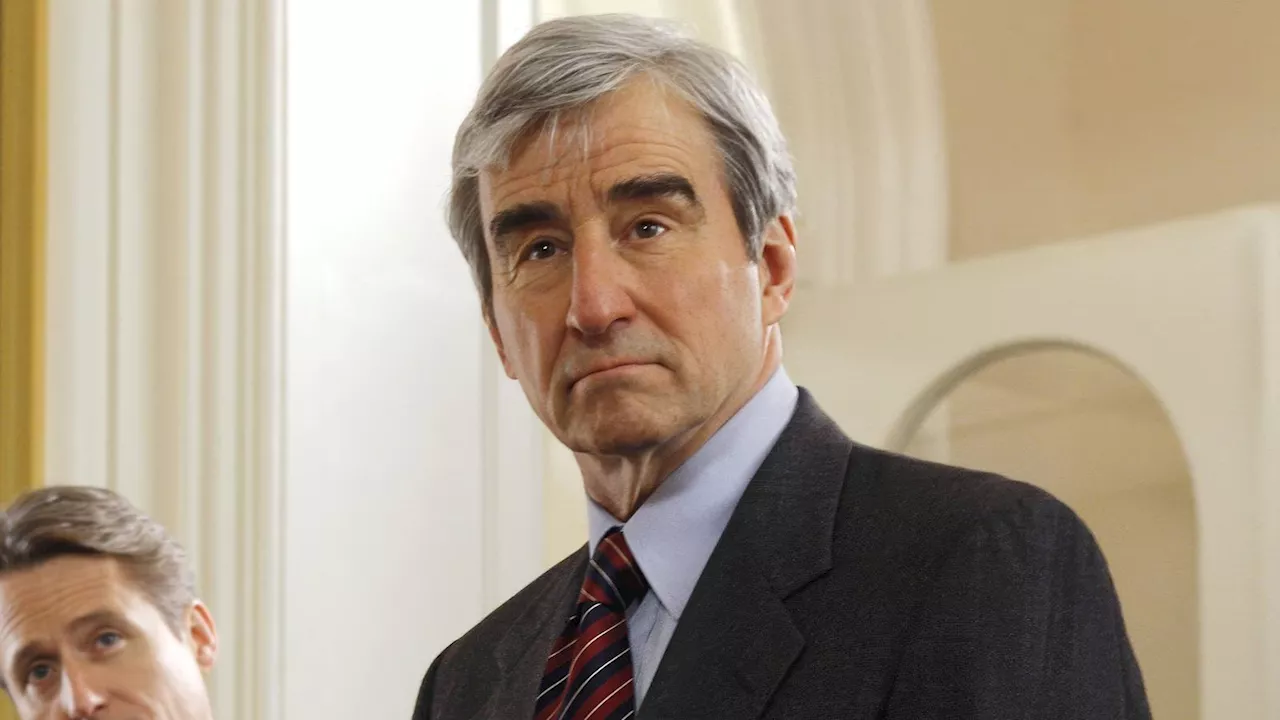
BREAKING NEWS: The legacy of Homicide: Life on the Street continues to resonate as it revolutionized crime dramas since its premiere in 1993. While shows like Law & Order have dominated the airwaves, this groundbreaking series remains a pivotal moment in television history, showcasing the raw realities of police work.
In a world where crime shows often glamorize the detective life, Homicide: Life on the Street dared to depict the gritty truth of homicide investigations in Baltimore. Created by David Simon, the series was rooted in his experience shadowing the real Baltimore Police Department, capturing the emotional toll and cynicism faced by detectives. Simon emphasized, “The greatest lie in dramatic TV is the cop who stands over a body and pulls up the sheet… To a real homicide detective, it’s just a day’s work.”
The series introduced viewers to a cast of complex characters, including Lieutenant Al Giardello and Andre Braugher as Detective Frank Pembleton, whose performance earned him an Emmy Award in 1998. Unlike its contemporaries, NYPD Blue and Law & Order, which often resolved cases in an hour, Homicide challenged the norm by presenting ongoing investigations, some leaving viewers with unresolved questions, mirroring real-life complexities.
The impact of Homicide: Life on the Street is undeniable. It shifted the perception of police procedurals, steering them away from action-packed tropes to focus on character-driven narratives filled with intense dialogue. Its realistic portrayal of police work, coupled with its documentary-style filming in Baltimore, provided an authentic view of the struggles faced by homicide detectives.
Despite its cancellation in 1999, the show’s influence is still felt today. It paved the way for critically acclaimed series like The Wire, also created by Simon, which further explored the intricate dynamics of crime and law enforcement. The crossover episodes with Law & Order in February 1996 highlighted the connection between these two defining series, showcasing how they could coexist while offering different narratives.
As audiences continue to crave authentic storytelling, the legacy of Homicide: Life on the Street serves as a reminder of the power of truth in television. It champions the idea that police dramas can be more than just entertainment—they can provoke thought and reflection on the societal issues surrounding crime and justice.
Stay tuned for more updates on the evolution of television dramas that shape our understanding of law enforcement, and explore how shows like Homicide continue to inspire new generations of storytellers.

Funko’s Price Target Increased to $4.00 as Analysts React

Humboldt Celebrates as ‘One Battle After Another’ Claims Best Picture

GSK Faces Backlash Over Asthma Inhaler Scrapping, Children Suffer

Adorable Sandhill Crane Colt Hugs Mom in The Villages

USA Unveils Star-Spangled Jerseys Ahead of March Friendlies

Newport Plans Colorful Lighting for Fourth Street Bridge

Sandia Scientists Honored for Innovative Career Journeys

Urgent: Charles M. Payment Passes Away at 78, Memorial Details Inside

NFL Free Agency: Key Moves and Player Signings in Week One

Researchers Launch $1.25M Project for Real-Time Hazard Monitoring in Hawaiʻi

Send It South Revives Culture and Community at The Momentary

UK Government Borrowing Hits £20.2 Billion in September Surge

Flipkart Republic Day Sale: iPhone 16 Plus Price Slashed by ₹23,900

Adecco SA Secures Mixed Ratings from Analysts Amid Earnings Update

Globant Reveals Key Tech Forces Shaping Business in 2026

Researchers Achieve Record 15.1 mA/cm² Hydrogen Production Efficiency

Dua Lipa Aces GCSE Spanish, Sparks Super Bowl Buzz with Fans

Inventor Achieves Breakthrough with 2 Billion FPS Laser Video
-
 Science8 months ago
Researchers Launch $1.25M Project for Real-Time Hazard Monitoring in Hawaiʻi
-
 Entertainment7 months ago
Send It South Revives Culture and Community at The Momentary
-
 World10 months ago
UK Government Borrowing Hits £20.2 Billion in September Surge
-
 Business6 months ago
Flipkart Republic Day Sale: iPhone 16 Plus Price Slashed by ₹23,900
-
 Sports8 months ago
Adecco SA Secures Mixed Ratings from Analysts Amid Earnings Update
-
 Business8 months ago
Globant Reveals Key Tech Forces Shaping Business in 2026
-
 Top Stories5 months ago
Researchers Achieve Record 15.1 mA/cm² Hydrogen Production Efficiency
-
 Entertainment10 months ago
Dua Lipa Aces GCSE Spanish, Sparks Super Bowl Buzz with Fans
-
 Science10 months ago
Inventor Achieves Breakthrough with 2 Billion FPS Laser Video
-

 Top Stories10 months ago
Charlie Sheen’s New Romance: ‘Glowing’ with Younger Partner
-

 Top Stories8 months ago
JSerra Names Hardy Nickerson as First Black Football Coach
-

 Health10 months ago
Community Unites for 7th Annual Into the Light Walk for Mental Health