
Top Stories
Virginia General Assembly Fails to Pass Urgent Data Center Bills

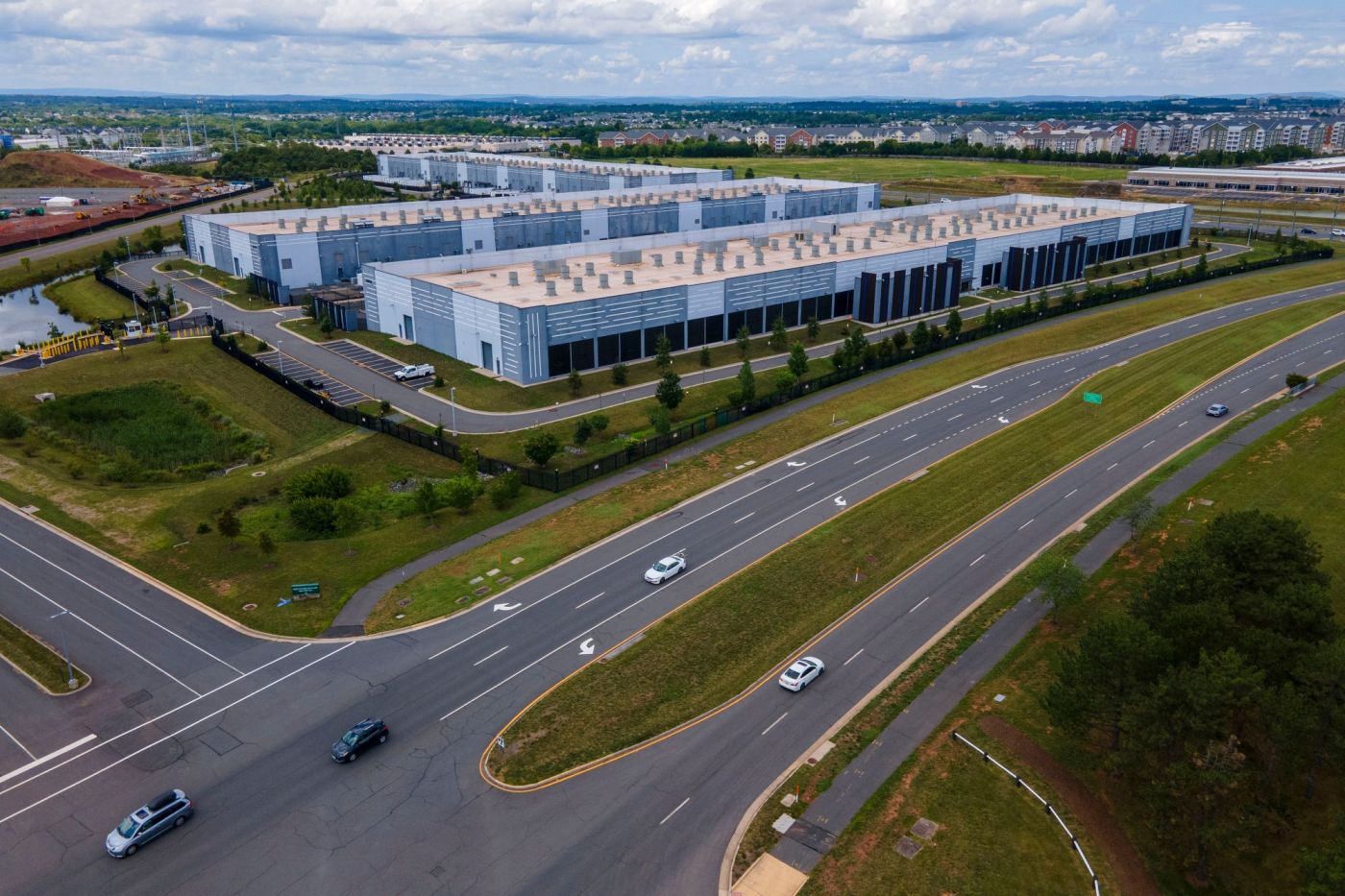
UPDATE: The Virginia General Assembly is facing backlash after failing to advance key data center legislation aimed at regulating the explosive growth of data centers in the state. Out of more than 60 bills introduced this session, roughly half have been shelved or left to languish in committee, raising urgent concerns among environmental advocates and state officials.
Just announced: Data centers currently consume over 20% of Virginia’s electricity, with projections indicating this could surge to between 39% and 57% by 2030, according to the Electric Power Research Institute. This unprecedented demand could necessitate an investment of $400 to $500 billion in infrastructure, not in the data centers themselves, but in the essential resources to support them.
Chris Miller, president of the Piedmont Environmental Council, expressed frustration, stating,
“The General Assembly missed an opportunity to take action this year to get on top of what’s already an out-of-control increase in demand from the data centers.”
The lack of legislative action has many fearing that the rapid expansion of data centers could strain Virginia’s already limited water and energy resources.
Key bills, such as SB619, aimed to give the State Corporation Commission (SCC) more regulatory power over new high-load facilities, requiring them to secure sustainable energy contracts and assess the overall impact on the state’s energy grid. Despite passing the Senate with bipartisan support, the House of Delegates has stalled further progress.
Meanwhile, HB589, which would mandate water utilities to report water usage by data centers, died in committee, highlighting a significant oversight in managing the environmental impact of these facilities. Large data centers can consume up to 5 million gallons of water daily to cool their systems, raising pressing questions about Virginia’s water supply sustainability.
As the legislative session nears its end, with only two weeks remaining, Miller urges the governor to signal support for more comprehensive regulatory measures.
“There are some good bills that passed, but they don’t address the core problem, which is we’re approving data centers too fast without oversight,”
he added.
The debate continues over potential changes to the data center sales and use tax exemption, which, if allowed to expire, could bring in nearly $1 billion in state revenue. Proponents argue that data centers are crucial to Virginia’s economy, providing 74,000 jobs and contributing $5.5 billion in labor income annually.
Yet, critics warn that without stringent regulations and oversight, the environmental costs could far outweigh the economic benefits. Nicole Riley, director of Virginia government affairs for the Data Center Coalition, emphasized,
“Virginia’s status as a preferred destination for investment is based on its longstanding commitment to a competitive tax and regulatory environment.”
As the situation develops, citizens and advocates alike are closely watching to see if the General Assembly will take decisive action to address the mounting pressures posed by the state’s data center boom. The outcome of this legislative session could have lasting implications for Virginia’s energy infrastructure and environmental health.

Funko’s Price Target Increased to $4.00 as Analysts React

Humboldt Celebrates as ‘One Battle After Another’ Claims Best Picture

GSK Faces Backlash Over Asthma Inhaler Scrapping, Children Suffer

Adorable Sandhill Crane Colt Hugs Mom in The Villages

USA Unveils Star-Spangled Jerseys Ahead of March Friendlies

Newport Plans Colorful Lighting for Fourth Street Bridge

Sandia Scientists Honored for Innovative Career Journeys

Urgent: Charles M. Payment Passes Away at 78, Memorial Details Inside

NFL Free Agency: Key Moves and Player Signings in Week One

Researchers Launch $1.25M Project for Real-Time Hazard Monitoring in Hawaiʻi

UK Government Borrowing Hits £20.2 Billion in September Surge

Flipkart Republic Day Sale: iPhone 16 Plus Price Slashed by ₹23,900

Inventor Achieves Breakthrough with 2 Billion FPS Laser Video

Dua Lipa Aces GCSE Spanish, Sparks Super Bowl Buzz with Fans

Charlie Sheen’s New Romance: ‘Glowing’ with Younger Partner

Community Unites for 7th Annual Into the Light Walk for Mental Health

Mother Fights to Reunite with Children After Kidnapping in New Drama

Olivia Plath Opens Up About Her Marriage Struggles and Divorce
-
 Science4 months ago
Researchers Launch $1.25M Project for Real-Time Hazard Monitoring in Hawaiʻi
-
 World6 months ago
UK Government Borrowing Hits £20.2 Billion in September Surge
-
 Business3 months ago
Flipkart Republic Day Sale: iPhone 16 Plus Price Slashed by ₹23,900
-
 Science6 months ago
Inventor Achieves Breakthrough with 2 Billion FPS Laser Video
-
 Entertainment6 months ago
Dua Lipa Aces GCSE Spanish, Sparks Super Bowl Buzz with Fans
-
 Top Stories6 months ago
Charlie Sheen’s New Romance: ‘Glowing’ with Younger Partner
-
 Health6 months ago
Community Unites for 7th Annual Into the Light Walk for Mental Health
-
 Entertainment6 months ago
Mother Fights to Reunite with Children After Kidnapping in New Drama
-
 Entertainment6 months ago
Olivia Plath Opens Up About Her Marriage Struggles and Divorce
-

 Top Stories5 months ago
T-Mobile Faces Backlash Over New Late Fees, Customers Flee
-

 Entertainment4 months ago
Send It South Revives Culture and Community at The Momentary
-

 Science6 months ago
AI Gun Detection System Mistakes Doritos for Weapon, Sparks Outrage