
Top Stories
Wi-Fi Signal Strength Misleading: Performance Issues Unveiled NOW

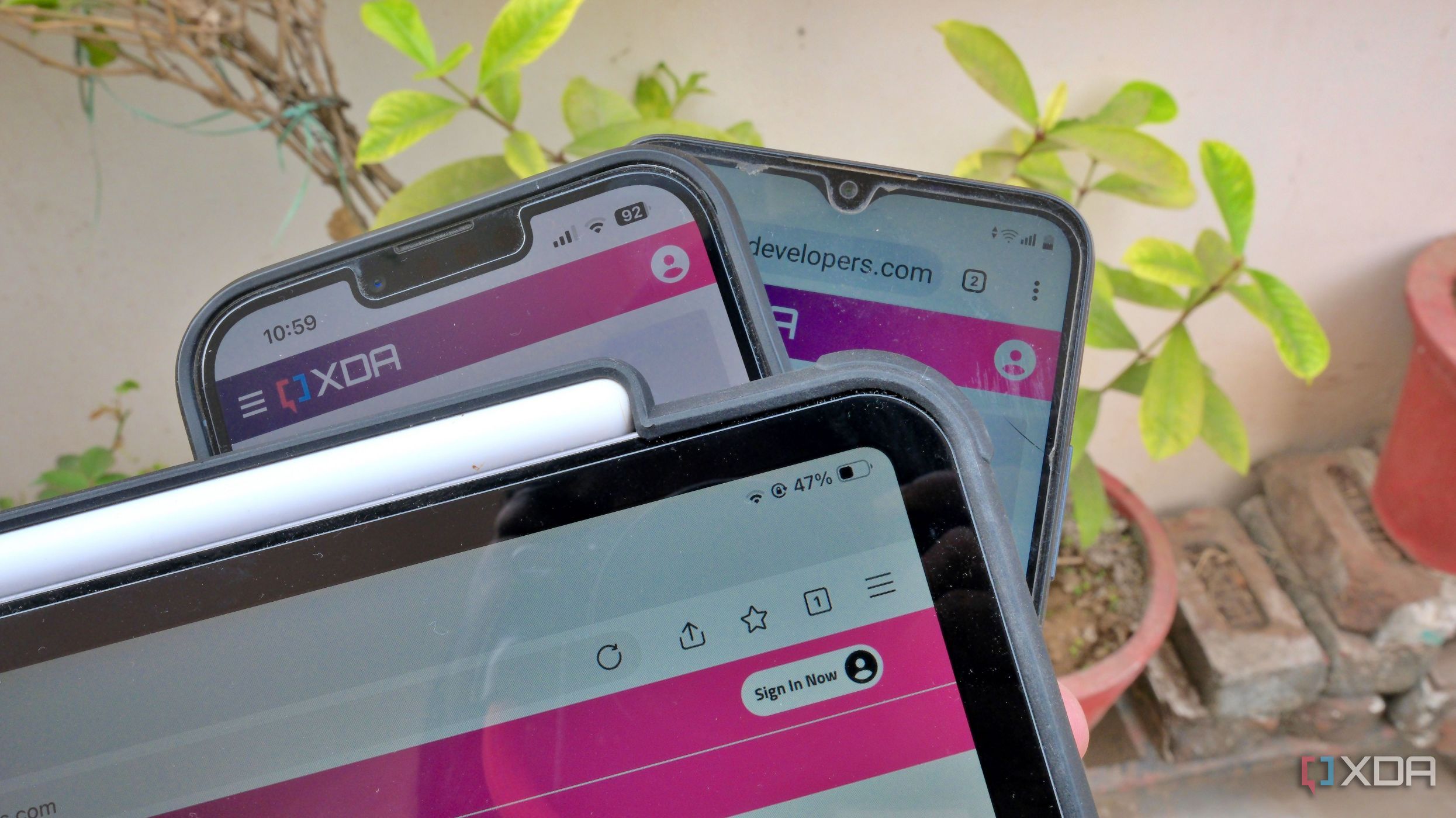
URGENT UPDATE: New reports reveal that the Wi-Fi signal strength bars displayed on your devices can be extremely misleading, leading to frustrating connectivity issues. Users are experiencing slow internet speeds despite their devices showing full bars, particularly in crowded locations like airports and cafes.
Experts emphasize that while the Wi-Fi symbol indicates signal strength, it fails to represent actual performance. This discrepancy can leave individuals puzzled when apps fail to load, and web pages take an eternity to open, even with what appears to be robust connectivity.
Just today, users have reported sluggish speeds on various devices including the iPhone 13 Pro Max and iPad Pro, all connected to the same 2.4 GHz band yet displaying similar signal strengths. Despite promising connectivity, speed tests reveal a stark contrast, with performance degrading significantly after initial tests.
Authorities confirm that several factors contribute to poor Wi-Fi performance, including the placement of routers, physical obstructions like walls, and network congestion. Many users unknowingly allow their routers to select crowded channels, often resulting in overlapping with neighboring networks. This congestion leads to unpredictable and slow performance, even with full signal bars.
Expert analyses suggest that Wi-Fi signals travel as invisible radio waves, easily disrupted by physical barriers. For instance, a tree or even furniture can weaken the signal, resulting in reduced data speeds. Furthermore, users are advised against using the same SSID across frequency bands, as many devices default to the congested 2.4 GHz band instead of switching to the faster 5 GHz option.
Notably, while the latest devices may support Wi-Fi 6 or Wi-Fi 7, the sole presence of these indicators does not guarantee optimal performance. Only thorough speed tests can reveal the true latency, jitter, and packet loss affecting your connection. This means users may continue to experience laggy video calls and interrupted audio if they don’t address these issues.
As the Wi-Fi symbol merely indicates signal strength, it does not account for how many devices are connected to the same frequency band, leaving users to decipher the quality of their connection on their own. This lack of clarity can lead to disappointment and confusion when devices connected with full bars still deliver poor performance.
Moreover, not all devices are created equal; various smartphones, laptops, and smart devices have differing antenna capabilities, impacting their connection stability. Laptops may perform adequately with just a few bars, while other portable devices may struggle under similar conditions.
The takeaway is clear: a stronger Wi-Fi signal does not necessarily translate to better performance. Users are urged to optimize their home networks according to their devices and usage needs, though this flexibility may not extend to public networks.
Moving forward, experts recommend regular speed tests and adjustments to router settings to avoid common pitfalls and improve overall connectivity. As frustrations with Wi-Fi connectivity continue to mount, understanding the limitations of Wi-Fi signal strength is crucial for users seeking reliable internet access.
Stay tuned for more updates on this developing story as users and experts navigate the complexities of wireless connectivity.

Funko’s Price Target Increased to $4.00 as Analysts React

Humboldt Celebrates as ‘One Battle After Another’ Claims Best Picture

GSK Faces Backlash Over Asthma Inhaler Scrapping, Children Suffer

Adorable Sandhill Crane Colt Hugs Mom in The Villages

USA Unveils Star-Spangled Jerseys Ahead of March Friendlies

Newport Plans Colorful Lighting for Fourth Street Bridge

Sandia Scientists Honored for Innovative Career Journeys

Urgent: Charles M. Payment Passes Away at 78, Memorial Details Inside

NFL Free Agency: Key Moves and Player Signings in Week One

Researchers Launch $1.25M Project for Real-Time Hazard Monitoring in Hawaiʻi

Send It South Revives Culture and Community at The Momentary

UK Government Borrowing Hits £20.2 Billion in September Surge

Flipkart Republic Day Sale: iPhone 16 Plus Price Slashed by ₹23,900

Adecco SA Secures Mixed Ratings from Analysts Amid Earnings Update

Researchers Achieve Record 15.1 mA/cm² Hydrogen Production Efficiency

Globant Reveals Key Tech Forces Shaping Business in 2026

Dua Lipa Aces GCSE Spanish, Sparks Super Bowl Buzz with Fans

Inventor Achieves Breakthrough with 2 Billion FPS Laser Video
-
 Science8 months ago
Researchers Launch $1.25M Project for Real-Time Hazard Monitoring in Hawaiʻi
-
 Entertainment7 months ago
Send It South Revives Culture and Community at The Momentary
-
 World10 months ago
UK Government Borrowing Hits £20.2 Billion in September Surge
-
 Business6 months ago
Flipkart Republic Day Sale: iPhone 16 Plus Price Slashed by ₹23,900
-
 Sports8 months ago
Adecco SA Secures Mixed Ratings from Analysts Amid Earnings Update
-
 Business8 months ago
Globant Reveals Key Tech Forces Shaping Business in 2026
-
 Top Stories5 months ago
Researchers Achieve Record 15.1 mA/cm² Hydrogen Production Efficiency
-
 Entertainment10 months ago
Dua Lipa Aces GCSE Spanish, Sparks Super Bowl Buzz with Fans
-
 Science10 months ago
Inventor Achieves Breakthrough with 2 Billion FPS Laser Video
-

 Top Stories10 months ago
Charlie Sheen’s New Romance: ‘Glowing’ with Younger Partner
-

 Top Stories8 months ago
JSerra Names Hardy Nickerson as First Black Football Coach
-

 Health10 months ago
Community Unites for 7th Annual Into the Light Walk for Mental Health