
Politics
Belarus Hosts Russian Nuclear Missiles Amid US Diplomacy Efforts

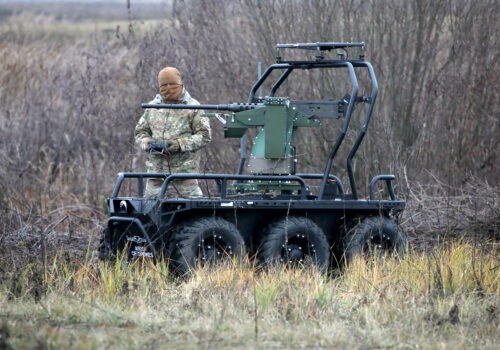
Kremlin officials have confirmed the deployment of nuclear-capable Oreshnik missiles in Belarus, a move that enhances Russia’s ability to strike targets across Europe. A video released by Russia’s Defense Ministry on December 30, 2025, showcased multiple mobile missile systems stationed in Belarusian forests. This escalation highlights Belarus’s integral role in Vladimir Putin‘s military strategy, even as the country seeks to improve diplomatic relations with the United States.
In recent developments, Belarus has faced accusations of facilitating Russian drone attacks on Ukraine. Ukrainian President Volodymyr Zelenskyy claimed on December 26 that Russian drone units are utilizing Belarusian territory to circumvent Ukraine’s air defenses, allowing them to strike vital targets. Zelenskyy stated, “We note that the Russians are trying to bypass our defensive interceptor positions through Belarus. This is risky for Belarus. It is unfortunate that Belarus is surrendering its sovereignty in favor of Russia’s aggressive ambitions.”
The situation is further complicated by reports of Russia constructing a significant ammunition plant in Belarus, intended to support its ongoing invasion of Ukraine. According to the opposition group BELPOL, which includes former members of the Belarusian security services, construction is underway near the capital, Minsk. In response, exiled Belarusian opposition leader Sviatlana Tsikhanouskaya accused President Alyaksandr Lukashenka of deepening Belarus’s involvement in Russia’s military aggression.
Evidence of Belarus’s participation in Russia’s war against Ukraine is not new. In early 2022, Lukashenka permitted tens of thousands of Russian troops to station in Belarus, which subsequently became a key logistics hub for Russia’s initial offensive aimed at seizing Kyiv. The regime has also been implicated in the abduction and indoctrination of Ukrainian children as part of the Kremlin’s broader campaign.
Recent speculation about a potential thaw in diplomatic relations between Belarus and the United States coincides with the release of 123 political prisoners by Belarusian authorities in December. This gesture led to the easing of some sanctions by the U.S. government, reflecting the Trump administration’s efforts to engage with Minsk in hopes of a negotiated resolution to the conflict in Ukraine. Earlier trade-offs were also noted in 2025, indicating a trend toward increased dialogue.
Despite these humanitarian gestures, there is little indication of a substantial shift in Belarus’s domestic policies or a reduction in its support for Russia’s aggressive stance. While Lukashenka appears eager to engage with Western officials for potential sanctions relief, he shows no intention of abandoning Moscow or addressing the ongoing human rights abuses within Belarus.
By maintaining strong ties with Russia, Belarus continues to bolster Moscow’s military capabilities in Ukraine, hampering U.S. efforts to facilitate an end to the conflict and secure a lasting peace settlement. Moreover, Belarus remains heavily involved in hybrid warfare tactics against Europe, including allegations of weaponizing migrants and other resources against E.U. neighbors.
While the U.S. outreach has succeeded in securing the release of many prominent political prisoners, continued arrests mean that the overall number of detainees remains high. Lukashenka’s willingness to engage with American officials often serves his interests in reducing sanctions pressure without making significant concessions regarding human rights or military cooperation with Russia.
In the current landscape, a more cooperative Belarus is a desirable outcome, yet Lukashenka seems unmotivated to compromise. The U.S. could potentially gain limits on Belarusian support for Kremlin aggression in exchange for sanctions relief, but the existing repression in Belarus complicates this dynamic. The situation underscores the complexities of international diplomacy as the world watches the unfolding conflict in Ukraine and the ongoing repercussions of Belarus’s alignment with Russia.

Funko’s Price Target Increased to $4.00 as Analysts React

Humboldt Celebrates as ‘One Battle After Another’ Claims Best Picture

GSK Faces Backlash Over Asthma Inhaler Scrapping, Children Suffer

Adorable Sandhill Crane Colt Hugs Mom in The Villages

USA Unveils Star-Spangled Jerseys Ahead of March Friendlies

Newport Plans Colorful Lighting for Fourth Street Bridge

Sandia Scientists Honored for Innovative Career Journeys

Urgent: Charles M. Payment Passes Away at 78, Memorial Details Inside

NFL Free Agency: Key Moves and Player Signings in Week One

Researchers Launch $1.25M Project for Real-Time Hazard Monitoring in Hawaiʻi

Send It South Revives Culture and Community at The Momentary

UK Government Borrowing Hits £20.2 Billion in September Surge

Flipkart Republic Day Sale: iPhone 16 Plus Price Slashed by ₹23,900

Adecco SA Secures Mixed Ratings from Analysts Amid Earnings Update

Researchers Achieve Record 15.1 mA/cm² Hydrogen Production Efficiency

Globant Reveals Key Tech Forces Shaping Business in 2026

Dua Lipa Aces GCSE Spanish, Sparks Super Bowl Buzz with Fans

Inventor Achieves Breakthrough with 2 Billion FPS Laser Video
-
 Science8 months ago
Researchers Launch $1.25M Project for Real-Time Hazard Monitoring in Hawaiʻi
-
 Entertainment7 months ago
Send It South Revives Culture and Community at The Momentary
-
 World10 months ago
UK Government Borrowing Hits £20.2 Billion in September Surge
-
 Business6 months ago
Flipkart Republic Day Sale: iPhone 16 Plus Price Slashed by ₹23,900
-
 Sports8 months ago
Adecco SA Secures Mixed Ratings from Analysts Amid Earnings Update
-
 Top Stories5 months ago
Researchers Achieve Record 15.1 mA/cm² Hydrogen Production Efficiency
-
 Business8 months ago
Globant Reveals Key Tech Forces Shaping Business in 2026
-
 Entertainment10 months ago
Dua Lipa Aces GCSE Spanish, Sparks Super Bowl Buzz with Fans
-
 Science10 months ago
Inventor Achieves Breakthrough with 2 Billion FPS Laser Video
-

 Top Stories10 months ago
Charlie Sheen’s New Romance: ‘Glowing’ with Younger Partner
-

 Top Stories8 months ago
JSerra Names Hardy Nickerson as First Black Football Coach
-

 Health10 months ago
Community Unites for 7th Annual Into the Light Walk for Mental Health