
Politics
NYC Mayor Showcases Apartment Complex with 194 Housing Violations

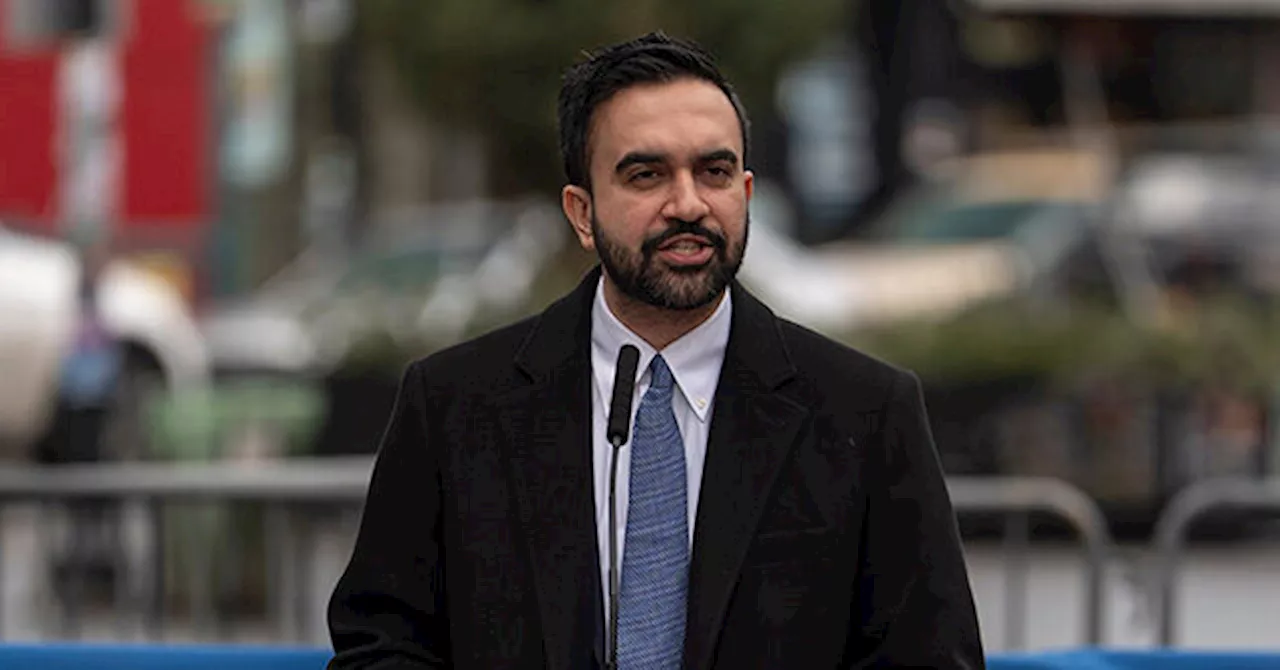
A Bronx apartment complex highlighted by New York City Mayor Zohran Mamdani has accumulated nearly 200 housing-code violations, raising concerns about the management of affordable housing in the city. The building, located at 1520 Sedgwick Ave. in Morris Heights, is home to 102 units and has recorded a staggering 194 open violations as of January 4, 2026. Among these, 88 are classified as “Class C” violations, which are deemed “immediately hazardous.”
Mamdani showcased the complex to introduce his new housing commissioner, Dina Levy, during a visit aimed at demonstrating the city’s commitment to improving affordable housing. Levy, who previously served as a tenant’s rights advocate and worked with state housing, is set to earn an annual salary of $277,605. The nonprofit organization, Workforce Housing Advisors, purchased the Sedgwick Avenue property in 2011, with the intention of converting it into an affordable housing option for residents.
Despite the good intentions behind the acquisition, tenants have expressed dissatisfaction with the management of the building. Complaints include lack of maintenance, pest infestations, and severe infrastructural issues. One tenant, who has rented a three-bedroom apartment since 1999, described chronic problems such as insufficient heat and hot water, along with deteriorating living conditions.
“They lack porters. No one is maintaining it, and the complaints fall on deaf ears – especially if you complain a lot,” the tenant stated, reflecting the frustration felt by many residents. The tenant also noted that the nonprofit has struggled with effectively screening prospective renters, leading to difficult living situations.
The high number of outstanding violations at the Sedgwick Avenue building starkly contrasts with Mayor Mamdani’s campaign promises to provide well-managed, affordable housing for New Yorkers. Levy was appointed to replace private landlords with nonprofit management where possible, aiming to create better living conditions for residents. Despite this initiative, the conditions reported by tenants raise questions about the effectiveness of this approach.
An official from the New York City Department of Housing Preservation and Development (HPD) defended Levy’s role in the sale of the building. Matt Rauschenbach, an agency spokesman, stated, “When the building was at risk of being purchased by a predatory buyer, Dina Levy organized alongside the tenants and kept the building affordable.” He further emphasized that the building is currently undergoing an $8 million renovation to improve living conditions.
Nevertheless, the situation at the Sedgwick Avenue site has drawn criticism from various stakeholders. Kenny Burgos, a former Bronx assemblyman and head of the New York Apartment Association, noted that the building has more open violations than approximately three-quarters of privately owned, rent-stabilized buildings in New York City. He remarked that nonprofit-managed properties often have higher violation counts, despite receiving government-backed loans and paying property taxes, which should allow for better operational efficiencies.
The contrast between the nonprofit’s management and the promises made by Mamdani highlights the complexities involved in the affordable housing sector. While the city aims to provide safe and affordable living options, the reality for many residents remains challenging. As renovations proceed and management practices are scrutinized, the situation at Sedgwick Avenue may serve as a critical case study in the ongoing debate about the effectiveness of nonprofit versus private management in urban housing.

Funko’s Price Target Increased to $4.00 as Analysts React

Humboldt Celebrates as ‘One Battle After Another’ Claims Best Picture

GSK Faces Backlash Over Asthma Inhaler Scrapping, Children Suffer

Adorable Sandhill Crane Colt Hugs Mom in The Villages

USA Unveils Star-Spangled Jerseys Ahead of March Friendlies

Newport Plans Colorful Lighting for Fourth Street Bridge

Sandia Scientists Honored for Innovative Career Journeys

Urgent: Charles M. Payment Passes Away at 78, Memorial Details Inside

NFL Free Agency: Key Moves and Player Signings in Week One

Researchers Launch $1.25M Project for Real-Time Hazard Monitoring in Hawaiʻi

Send It South Revives Culture and Community at The Momentary

UK Government Borrowing Hits £20.2 Billion in September Surge

Flipkart Republic Day Sale: iPhone 16 Plus Price Slashed by ₹23,900

Adecco SA Secures Mixed Ratings from Analysts Amid Earnings Update

Researchers Achieve Record 15.1 mA/cm² Hydrogen Production Efficiency

Globant Reveals Key Tech Forces Shaping Business in 2026

Dua Lipa Aces GCSE Spanish, Sparks Super Bowl Buzz with Fans

Inventor Achieves Breakthrough with 2 Billion FPS Laser Video
-
 Science8 months ago
Researchers Launch $1.25M Project for Real-Time Hazard Monitoring in Hawaiʻi
-
 Entertainment7 months ago
Send It South Revives Culture and Community at The Momentary
-
 World10 months ago
UK Government Borrowing Hits £20.2 Billion in September Surge
-
 Business6 months ago
Flipkart Republic Day Sale: iPhone 16 Plus Price Slashed by ₹23,900
-
 Sports8 months ago
Adecco SA Secures Mixed Ratings from Analysts Amid Earnings Update
-
 Top Stories5 months ago
Researchers Achieve Record 15.1 mA/cm² Hydrogen Production Efficiency
-
 Business8 months ago
Globant Reveals Key Tech Forces Shaping Business in 2026
-
 Entertainment10 months ago
Dua Lipa Aces GCSE Spanish, Sparks Super Bowl Buzz with Fans
-
 Science10 months ago
Inventor Achieves Breakthrough with 2 Billion FPS Laser Video
-

 Top Stories10 months ago
Charlie Sheen’s New Romance: ‘Glowing’ with Younger Partner
-

 Top Stories8 months ago
JSerra Names Hardy Nickerson as First Black Football Coach
-

 Health10 months ago
Community Unites for 7th Annual Into the Light Walk for Mental Health