
Science
NASA Astronaut to Pilot Orion Spacecraft During Artemis II Mission

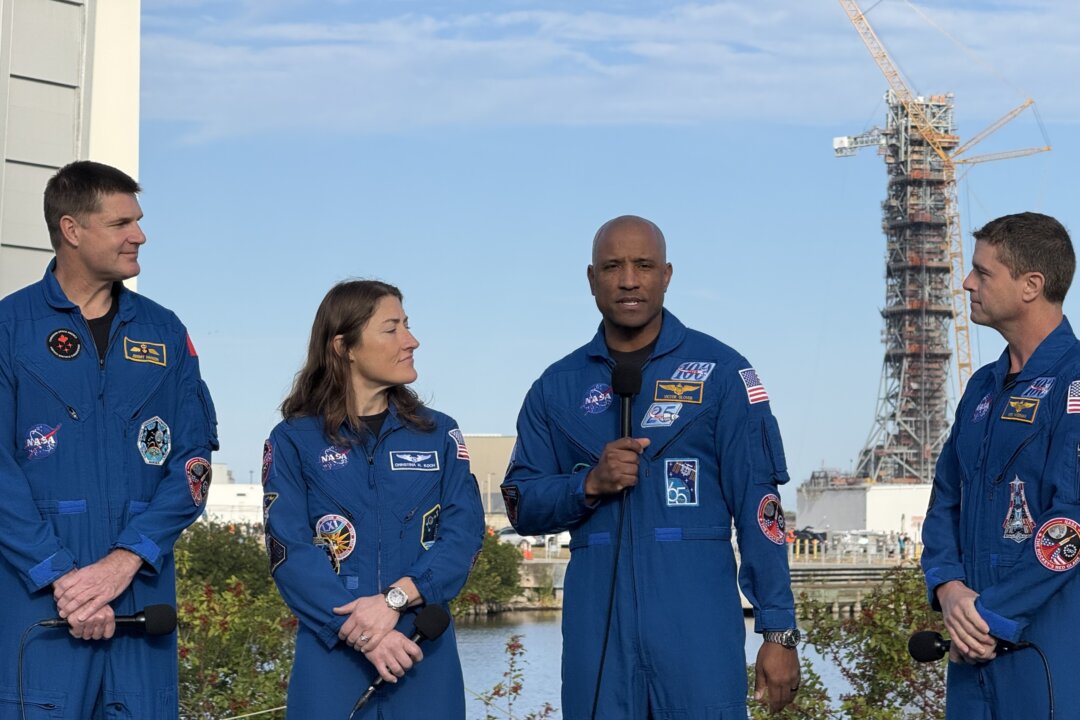
NASA has announced that astronaut Victor Glover will become the first individual to manually pilot the Orion spacecraft during the upcoming Artemis II mission. This significant milestone is set to take place during a planned launch from Cape Canaveral, Florida. Glover, along with his fellow crew members, will undertake a 10-day mission that includes two manual control demonstrations, a nod to the iconic achievements of the Apollo astronauts who navigated their spacecraft on historic lunar journeys.
The Artemis II mission, slated to launch in 2024, marks a pivotal step in NASA’s return to deep space exploration. Glover’s manual piloting will occur at both the beginning and conclusion of the mission, showcasing human skill in conjunction with advanced technologies. These demonstrations are designed to test the Orion spacecraft’s capabilities and ensure the safety and reliability of future missions, particularly as NASA prepares to send humans back to the Moon and eventually to Mars.
Technology and Human Skill in Spaceflight
While the Artemis program embraces cutting-edge technologies, it also recognizes the importance of human intervention in spaceflight operations. NASA has emphasized that the manual control aspect will continue to play a role in future missions, albeit in a different capacity as technology evolves. As missions become increasingly complex, combining human intuition with automated systems will be crucial for navigating the challenges of deep space.
Glover’s responsibility to manually pilot the Orion spacecraft reflects a blend of traditional piloting skills with modern advancements. The spacecraft is equipped with sophisticated navigation systems designed to support both automated and manual controls. This dual approach aims to enhance mission success rates while ensuring that astronauts can respond effectively to unforeseen circumstances.
Looking Ahead to Artemis II and Beyond
The Artemis II mission represents not only a step forward for NASA but also a significant leap in human space exploration. Scheduled for a ten-day journey, the mission aims to orbit the Moon and gather critical data for future lunar landings. Glover’s role as a manual pilot during this mission underscores NASA’s commitment to balancing human involvement with technological innovation.
As NASA prepares for Artemis II, the agency continues to refine its strategies for deep space exploration. The lessons learned from this mission will inform future missions, including the eventual goal of sending astronauts to Mars. Through the integration of human skills and advanced technology, NASA aims to push the boundaries of what is possible in space travel.
In summary, Victor Glover will play a historic role in piloting the Orion spacecraft during the Artemis II mission, highlighting the enduring importance of manual control in spaceflight. As preparations continue, the mission promises to be a landmark event in the ongoing journey of human exploration beyond Earth.

Funko’s Price Target Increased to $4.00 as Analysts React

Humboldt Celebrates as ‘One Battle After Another’ Claims Best Picture

GSK Faces Backlash Over Asthma Inhaler Scrapping, Children Suffer

Adorable Sandhill Crane Colt Hugs Mom in The Villages

USA Unveils Star-Spangled Jerseys Ahead of March Friendlies

Newport Plans Colorful Lighting for Fourth Street Bridge

Sandia Scientists Honored for Innovative Career Journeys

Urgent: Charles M. Payment Passes Away at 78, Memorial Details Inside

NFL Free Agency: Key Moves and Player Signings in Week One

Researchers Launch $1.25M Project for Real-Time Hazard Monitoring in Hawaiʻi

Send It South Revives Culture and Community at The Momentary

UK Government Borrowing Hits £20.2 Billion in September Surge

Flipkart Republic Day Sale: iPhone 16 Plus Price Slashed by ₹23,900

Adecco SA Secures Mixed Ratings from Analysts Amid Earnings Update

Researchers Achieve Record 15.1 mA/cm² Hydrogen Production Efficiency

Globant Reveals Key Tech Forces Shaping Business in 2026

Inventor Achieves Breakthrough with 2 Billion FPS Laser Video

Dua Lipa Aces GCSE Spanish, Sparks Super Bowl Buzz with Fans
-
 Science8 months ago
Researchers Launch $1.25M Project for Real-Time Hazard Monitoring in Hawaiʻi
-
 Entertainment7 months ago
Send It South Revives Culture and Community at The Momentary
-
 World9 months ago
UK Government Borrowing Hits £20.2 Billion in September Surge
-
 Business6 months ago
Flipkart Republic Day Sale: iPhone 16 Plus Price Slashed by ₹23,900
-
 Sports8 months ago
Adecco SA Secures Mixed Ratings from Analysts Amid Earnings Update
-
 Top Stories5 months ago
Researchers Achieve Record 15.1 mA/cm² Hydrogen Production Efficiency
-
 Business8 months ago
Globant Reveals Key Tech Forces Shaping Business in 2026
-
 Science9 months ago
Inventor Achieves Breakthrough with 2 Billion FPS Laser Video
-
 Entertainment10 months ago
Dua Lipa Aces GCSE Spanish, Sparks Super Bowl Buzz with Fans
-

 Top Stories10 months ago
Charlie Sheen’s New Romance: ‘Glowing’ with Younger Partner
-

 Top Stories7 months ago
JSerra Names Hardy Nickerson as First Black Football Coach
-

 Health10 months ago
Community Unites for 7th Annual Into the Light Walk for Mental Health